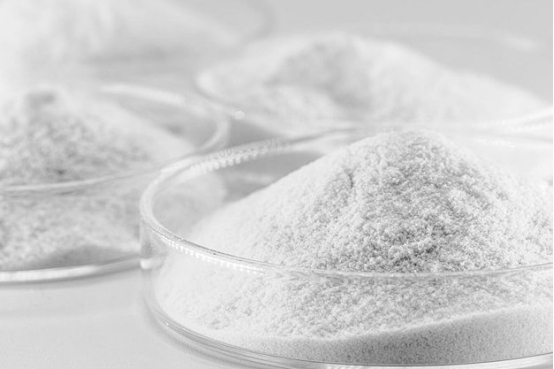
For a European distributor, importing china redispersible polymer powder is a major purchasing choice. It is also an essential compliance task. Before any cargo leaves the dock, the buyer must know who holds the main REACH obligation. This purchaser needs to check the specific documents for the chosen grade. They must also learn how CLP rules classify the powder. Furthermore, they need to make sure each batch traces back to the starting raw materials. Finding clear answers to these questions prevents costly relabeling efforts. These solutions also prevent shipping delays and frustrated clients.
Redispersible polymer powder, commonly called RDP, functions as a dry polymer additive. This fine powder blends smoothly when workers add water to cement-based or gypsum-based mortar. It greatly boosts adhesion and bending strength. The material also improves workability, water resistance, bonding, and crack control. Common uses include tile adhesive, wall putty, and skim coat. Other uses cover waterproof mortar, ETICS, self-leveling mortar, repair mortar, grout, and different gypsum products. Buyers should always check legal compliance rules alongside actual field performance.
Start by identifying the legal supply-chain role
REACH obligations rely heavily on the specific role a company plays in the supply chain. A distributor buying directly from suppliers outside the EU or EEA might act as the official importer for legal compliance. On the other hand, a company buying from a registered EU or EEA importer might just work as a downstream distributor. Looking at the invoice trail alone will not fully resolve this matter. The sales contract, the customs documents, and the legal structure must match perfectly.
The European Commission REACH regulation page details REACH as a highly strict system. This framework places a heavy duty on the industry to manage chemical risks safely. It forces companies to share accurate safety data too. Materials imported or made in amounts over 1 tonne per year usually need an official registration. A careful distributor must therefore record the exact product identity. They need to track the annual volume. They must also find the legal entity responsible for the import steps.
Questions to ask before placing an order
First, ask if the non-EU maker has named an Only Representative for that specific substance and tonnage band. If they have, ask for written proof showing the distributor’s shipments remain fully covered. If they have not, find out if the European buyer will act as the legal importer. That role brings duties for registration and related tasks. Never accept a general statement like REACH approved. Always request a detailed, grade-specific explanation.
Which specific legal entity acts as the official importer of record?
Does a valid registration or an Only Representative agreement cover this specific RDP grade?
What exact annual tonnage limit is guaranteed for the planned supply?
Does the current coverage protect the distributor’s customers and their intended uses?
What actually happens if the mixture, the supplier, or the registration status changes suddenly?
Verify the REACH identity and technical dossier
The common phrase REACH registration for polymer powder can sometimes hide a key detail. Registration focuses on a distinct substance identity, not just a simple trade name. RDP might contain a polymer phase and a protective colloid. It could include an anti-blocking agent and various other components as well. Always check exactly how the product grade is sorted. Also, look at which specific ingredients create separate legal duties.
A useful document will link the commercial grade to a stable formula description. It must include proper identifiers where possible. It should list intended uses and clear safe handling rules. The file must state whether the supplier offers a pure substance, a mixed blend, or another type of chemical product. That specific distinction heavily impacts both import and sales documents.
Documents worth checking
Always ask for an active registration or a valid coverage letter. Request the precise product specification and the RDP safety data sheet. In addition, obtain the shipment certificate of analysis. All files must display the exact same product name and grade code. They should present the identical composition details and maker information. If the records conflict at all, demand a completely corrected set right away.
Safety Data Sheet made specifically for the target EU market and in the right language.
Certificate of Analysis linked directly to the specific batch number and making date.
Product specification showing moisture, bulk density, ash, pH, solids, and particle size where needed.
Packaging and storage directions. This covers the regular 25 kg/bag style or any agreed OEM package.
Written change-control notice about any updates to raw materials, formulas, or the factory site.
Do not separate REACH from CLP and SDS duties
REACH registration and CLP communication manage very distinct issues. REACH centers on the safe handling and correct registration of chemical substances. CLP focuses directly on classification, labelling, and packaging. This process must occur before a dangerous chemical reaches the market. The European Commission’s latest CLP guidance also requires better hazard communication in online sales. This standard matters deeply when distributors post product pages or provide downloadable files.
A distributor should never simply copy a label from a vendor’s sales flyer. Closely review the official classification for the specific powder or mixture. Inspect all the necessary label parts carefully. Ensure the bag, the outer box, the shipping papers, and the website text do not show mixed messages. If the item functions as a hazardous mixture, additional poison-centre and UFI actions may apply. These actions rely on the intended use and the selected market path.
The SDS should work for the customer
The RDP safety data sheet must act as more than just a formal attachment. It needs to clearly explain safe handling, dust control, and proper storage. It should cover accidental release, personal protection, disposal, and transport information. It must do this in a way that a busy mortar plant can easily understand and use. If a distributor supplies several different European markets, they must check whether translated SDS versions are needed. They also need to provide local contact details before resale.
Match compliance documents with product performance
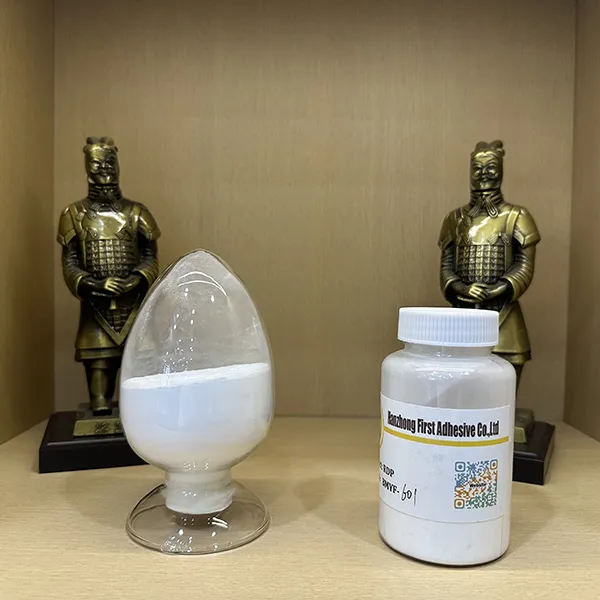
Regulatory documents alone never prove that a specific RDP grade will work well in every mortar. A distributor still absolutely needs solid application data. Different RDP grades serve general dry-mix products, flexible waterproof mortar, and tile adhesive. They also work in wall putty, ETICS, self-leveling mixtures, repair mortar, and various gypsum systems. All performance claims must match the actual test formula and the correct dosage.
A highly practical RDP importer compliance checklist should combine regulatory paperwork and real physical trials. Always compare the new grade in a standard reference formula. Use the buyer’s own cement, sand, gypsum, cellulose ether, water, and air-control package. Carefully check the workability, adhesion, open time, and water exposure. Also test the flexural behavior, the final surface quality, and the long-term storage stability. This matters especially for private-label products.
Review the full additive package
A distributor might search to buy hydroxyethylcellulose. They may also use hydroxyethy in a specific product inquiry. Another customer might require pp fiber or defoamer powder. They could also seek advice from established cement mortar defoamer wholesalers. These various materials can easily change water retention, air content, flow, and film formation. Because of this, buyers must test compatibility directly with the chosen RDP. They should never judge results merely by reading a separate brochure.
The exact same care applies when a customer compares a polycarboxylate superplasticizer powder company. They might look at a superplasticizer for gypsum factory or seek pce for cement grouting. They may also want customized polycarboxylate polymer powder. A cement mortar system organic silicon defoamer might perform perfectly in one formula. However, it could cause serious surface defects in another mix. The distributor must always keep the product claim firmly tied to a well-defined application.
Check the manufacturer’s quality and traceability system
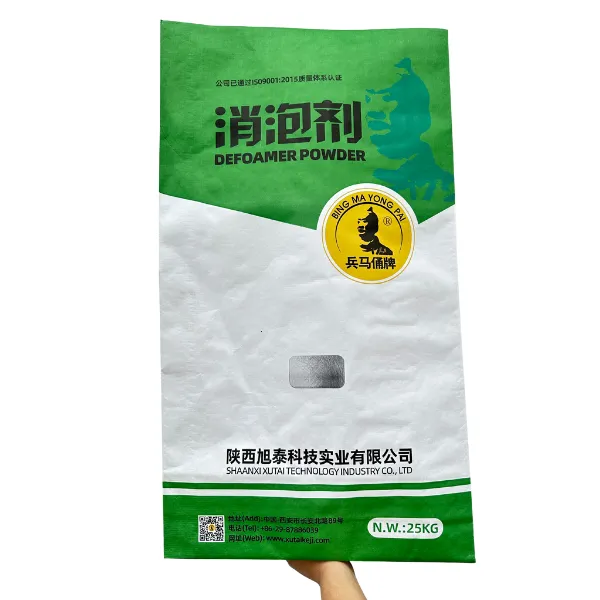
A distributor takes on real commercial risk when a delivered powder looks or acts differently from the original sample. Because of this risk, strict batch traceability forms a core part of the import review. It is not just a minor factory detail. The supplier must clearly connect the printed bag number with specific raw-material lots. They must link it to production records, finished-product tests, and retained samples. It must also match the relevant COA. BING MA YONG PAI® firmly maintains this exact type of production and sample information. This allows buyers to discuss any lot using a very clear reference.
At BING MA YONG PAI®, we rely on strict raw-material inspection and tight process control. We use thorough finished-product testing and detailed batch records. These steps support highly consistent dry-mix additives. We work closely with distributors on samples, application trials, and vital document preparation for the intended market. Our extensive production and application resources cover RDP, PCE, defoamer, and gypsum retarder. We also supply HPMC, HEC, and several other construction additives. Furthermore, we gladly discuss OEM packaging and customized RDP formulation. We do this whenever a distributor targets a defined market or a specific mortar system.
Our RDP product category clearly presents reliable grades for demanding construction applications. Meanwhile, the PCE category and the defoamer category help buyers review the wider additive package easily. Our HPMC and cellulose additive category and the gypsum retarder category also strongly support formulas that demand precise water retention or controlled setting times. We strongly recommend thorough sample testing before starting any regular supply. This step is crucial especially when a distributor plans to introduce a brand new private-label mortar.
Traceability questions for a distributor
Is at least one retained sample kept safely for every single production batch?
Can the supplier quickly investigate a customer complaint using just the batch number?
Are the initial sample quality and the regular stock controlled under the exact same specification?
Can the supplier reliably notify buyers before making any formula or factory change?
Are the package labels, the COAs, and the shipping records completely consistent?
Plan the import file before shipment
The last review stage needs to gather every regulatory, commercial, and technical record. You should put them into a single shipping folder. This neat method offers big support to the distributor. It also aids the customs broker, the warehouse staff, and the end buyer. It proves the item sold matches the exact good tested and cleared at the start.
A very handy folder usually holds the first purchase order. It also has the commercial invoice. You will find the packing list and shipping details inside. A full product specification is there too. Furthermore, it keeps the COA, the SDS, and the label artwork. The REACH coverage statement and the passed sample record are present. Always make the exact batch number easy to see on every paper. A distributor might sell to multiple distinct regions. If so, they need to log the right language and label type for every single place.
Conclusion
European buyers bringing in china redispersible polymer powder have to check many details. Looking at a supplier’s REACH logo or a known product name is not enough. First, they must find the real legal importer. They have to see if a proper registration exists. An Only Representative setup covering the precise grade and amount works too. Next, they need to read the SDS and the CLP classification closely. Checking the label and the packing materials is vital. They should look at the makeup, the COA, and the batch traceability. Real application data needs a review as well. Also, the RDP has to blend flawlessly within the whole mortar mix. This mix contains cellulose ether, PCE, defoamer, fiber, and gypsum additives when needed. BING MA YONG PAI® pairs tight factory logs with solid usage help. This path offers partners a much safer and plainer ground for lasting sales growth.
FAQs
Q: Who is responsible for REACH when importing RDP?
A: The legal importer or the covered Only Representative arrangement usually carries this important duty.
Q: What should an RDP importer request first?
A: Always request the SDS, the COA, the REACH coverage statement, the product specification, and the accurate label information.
Q: Is REACH registration proof of mortar performance?
A: No, it is not. You must always test the RDP directly in the complete target mortar formula.