When buyers compare redispersible polymer powder manufacturers, a low price or a high solids figure is not enough. The real question is whether the selected grade will keep a reliable bond after wetting, temperature change, movement, and everyday service. This matters as construction projects place more attention on renovation, resilience, lower waste, and traceable supply chains.
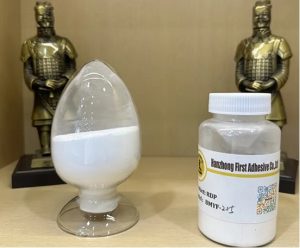
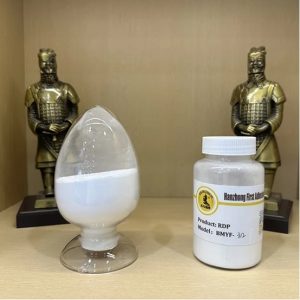
Redispersible polymer powder, or RDP, is a spray-dried polymer that disperses again after water is added. In cement- and gypsum-based mortars, it helps form a polymer film during drying. The film can improve adhesion, flexibility, cohesion, workability, and water resistance. However, performance depends on the polymer type, dosage, binder, fillers, curing conditions, and the quality system behind every batch.
Start with the Finished Mortar, Not the Powder Name
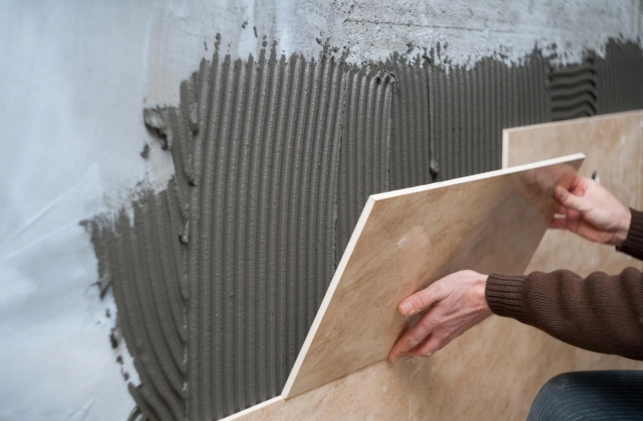
A serious buying review begins with the final application. Tile adhesive needs strong contact and movement tolerance. Waterproof mortar needs a flexible film and low water penetration. Gypsum plaster needs working time, strength retention, and stable air control. Because the failure risks differ, the same RDP grade should not be treated as universal.
Before contacting redispersible polymer powder manufacturers, write down the substrate, binder, filler, mixing method, application thickness, expected moisture exposure, climate, and target test values. This short brief helps suppliers recommend a grade for a real formulation instead of sending a generic product list.
Key Material Features to Compare
The technical data sheet should show more than appearance and packaging. Compare polymer chemistry, glass transition behavior, minimum film-forming temperature, bulk density, ash content, solids content, particle size, pH after redispersion, and storage limits. These values help explain mixing, film formation, and service behavior.
- Adhesion: bond strength to concrete, masonry, gypsum, tile, insulation board, or other target substrates.
- Flexibility: ability to absorb small movement without losing contact or becoming too soft.
- Water resistance: lower absorption and better bond retention after wet exposure.
- Workability: smoother spreading, suitable open time, anti-sag behavior, and easier finishing.
- Durability: resistance to cracking, abrasion, weathering, freeze-thaw action, and repeated stress.
Verify Water Resistance with a Complete Test Plan
Water resistance is a system result, not a single powder claim. Pores, hydration, water-to-binder ratio, curing, substrate absorption, and surface preparation all influence the final result. A strong supplier should explain the dosage, mortar formula, curing age, and test condition behind its claim.
Renovation work often involves older substrates, changing humidity, and short installation schedules. Exterior systems face stronger weather variation. In both cases, RDP water resistance should be reviewed alongside adhesion after immersion, water absorption, crack control, and dimensional stability.
Testing That Goes Beyond the Brochure
Ask for laboratory data that matches the target mortar. Useful checks include tensile adhesion before and after water immersion, flexural and compressive strength, abrasion resistance, water absorption, open time, slip, and freeze-thaw exposure where relevant. Compare the failure mode, not only the highest number.
Buyers should also request a sample and repeat the test with their own cement, sand, gypsum, cellulose ether, defoamer, and water. That step is central to RDP durability testing because local raw materials can change flow, setting, film formation, and bond strength.
Check Product Families and Application Fit
A useful manufacturer should distinguish between rigid, semi-flexible, flexible, and high-flexibility grades. The correct choice depends on the balance of strength, elasticity, open time, water resistance, and cost. Ask which grade fits the product line, not simply which is cheapest per kilogram.
At BING MA YONG PAI®, we organize RDP selection around the finished dry-mix system. Our RDP product range covers applications such as tile adhesive, wall putty, skim coat, waterproof mortar, ETICS, self-leveling mortar, repair mortar, and gypsum-based products. We use application testing to connect a grade with the customer’s raw materials and performance targets.
Common RDP Product Categories
For RDP for tile adhesive, buyers usually focus on adhesion, open time, anti-sag behavior, and enough flexibility for the tile and substrate. Waterproof systems need stronger attention to water resistance, crack control, and film continuity. ETICS and repair mortars often require a careful balance between bond strength, flexibility, weather exposure, and workability.
Self-leveling products need flow, surface quality, controlled air, early strength and tensile bond strength. Gypsum systems need compatibility with retarders, water-retaining agents, and defoamers. The right manufacturer should discuss the whole formula rather than treating RDP as an isolated ingredient.
Review the Additive Package Around RDP
Long-term durability depends on how RDP interacts with other additives. HPMC or HEC controls water retention and rheology. PCE changes flow and water demand. A defoamer controls unwanted air. pp fiber may help manage shrinkage and crack development. A gypsum retarder changes working time.
Why Compatibility Matters in Practice
Procurement teams may search for buy hydroxyethylcellulose or use hydroxyethy when comparing cellulose options. The technical question is whether the cellulose ether works with the selected RDP, cement, filler, and mixing process. The same applies when buyers compare defoamer powder or cement mortar defoamer wholesalers.
For flow-sensitive products, a polycarboxylate superplasticizer powder company should provide guidance on water reduction, flow retention, and polymer compatibility. Buyers working with pce for cement grouting manufacturers may compare grades by fluidity retention and strength development.
Our supporting categories include PCE polycarboxylate superplasticizer, defoamer powder, HPMC and cellulose additives, and gypsum retarder. We also discuss combinations that may include pp fiber, hydrophobic powder, starch ether, or other dry-mix mortar additives.
Audit Manufacturing and Supply Reliability
Long-term durability depends on batch consistency. Ask how raw materials are approved, production conditions controlled, finished powder tested, and retained samples managed. A supplier should trace a shipment back to its batch and provide documents that match the delivered material.
Packaging and storage also matter. RDP is normally supplied in 25 kg bags, with jumbo or OEM packaging available by request. Moisture, heat, pressure, and prolonged storage can cause blocking or caking. Verify storage temperature, shelf life, liner material, pallet arrangement, and opened-bag instructions.
- TDS, COA, and MSDS for the exact grade and shipment.
- Clear dosage guidance and a sample for customer-side testing.
- Batch numbering, retained samples, and a documented complaint process.
- Stable packaging options, production lead time, and loading information.
- Technical support for formula adjustment, pilot trials, and scale-up.
BING MA YONG PAI® combines production, application testing, and technical service for dry-mix mortar and gypsum producers. We support samples, customized RDP formulation, OEM packaging, and formula discussions based on customer raw materials. Our goal is to make the delivered powder match the performance expected in the finished product.
We also provide a gypsum retarder range for gypsum self-leveling, gypsum plaster, gypsum putty and other gypsum-based products. HR01 and HR02 are used at tested system dosages, with typical guidance ranging from 0.5‰ to 3.0‰ for HR01 and 1.0‰ to 3.0‰ for HR02. Actual dosage should be confirmed in laboratory trials.
A Practical Supplier Comparison Checklist
A good comparison has four stages. Define the mortar and failure risks. Shortlist grades by polymer behavior and application. Test the complete formula with local raw materials. Then review batch records, logistics, and support before approving regular supply.
This process fits current construction priorities: less rework, controlled waste, energy-efficient renovation, and more resilient surfaces. Consistent powder and clear technical guidance can make formulation and installation easier to manage.
- Compare performance at the same dosage and under the same curing conditions.
- Record the exact cement, sand, gypsum, water, and auxiliary additives used.
- Test both fresh properties and hardened properties after moisture exposure.
- Check whether the supplier can repeat the result across several batches.
- Choose the partner that supports the finished mortar, not only the raw material.
Conclusion
When comparing redispersible polymer powder manufacturers, buyers should verify much more than price, appearance, or a single strength value. The strongest review connects polymer chemistry with water resistance, flexibility, adhesion, curing, and the full additive package. It also checks batch traceability, storage, packaging, sample testing, and technical support. For tile adhesive, waterproof mortar, ETICS, self-leveling, repair mortar, and gypsum systems, the best grade is the one that performs consistently in the buyer’s own formula. A manufacturer that can test local raw materials, provide clear documents, and adjust the solution for real site conditions offers greater value over the full service life of the finished product.
FAQs
Q: What should buyers verify first?
A: Check application fit, dosage, testing data, batch consistency, and technical support.
Q: What is the standard RDP package size?
A: Standard packaging is 25 kg per bag; jumbo and OEM bags are available.
Q: What is the gypsum retarder dosage?
A: HR01: 0.5‰ to 3.0‰; HR02: 1.0‰ to 3.0‰.