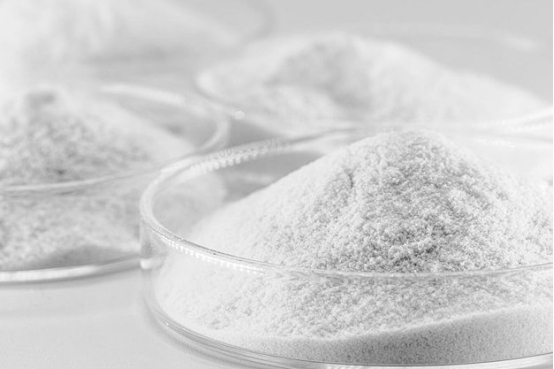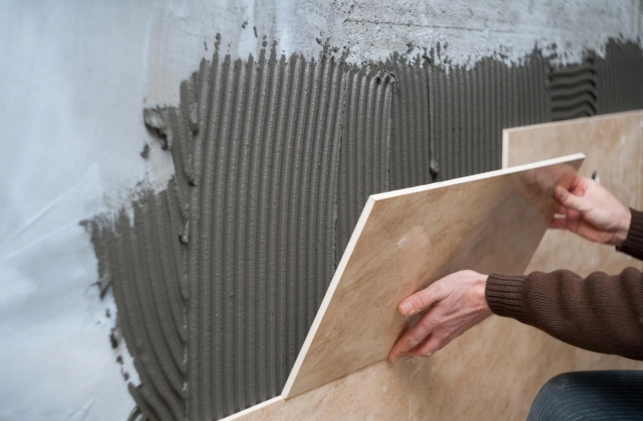
Purchasing redispersible polymer powder in bulk goes beyond just looking at the cost. Your chosen grade deeply impacts adhesion and flexibility. It also alters water resistance, workability, and surface finish. Furthermore, it determines the overall stability of the final mortar. Even a tiny shift in polymer behavior can modify water needs and dosage rates. This shift might impact manufacturing speed and lead to client complaints.
Because of these factors, procurement teams must carefully check the specific grade and batch records. They should also review technical papers, packing details, and usage data before making a huge purchase. A trustworthy bulk RDP supplier will assist clients. This partner will explain how the powder acts within the entire dry-mix recipe.
Start With the Final Mortar Application
Before you compare different vendors, you must identify your exact mortar category. You also need to outline the expected results. Products like tile adhesive, wall putty, and waterproof mortar demand unique polymer traits. The same applies to self-leveling mortar, repair mortar, ETICS, and various gypsum goods. A grade that works perfectly in one mixture might fail completely in a different setup.
Today’s building sector focuses heavily on energy savings and structural upgrades. Builders also care about long-lasting results and reducing material trash. The 2025-2026 buildings report from UNEP points out a strong need for better energy investments. It calls for tougher building methods. The growing need for indoor cooling drives up power usage. This trend makes proper insulation and strong exterior walls highly crucial.
Match the Grade to Material Characteristics
RDP is a special spray-dried polymer powder. It easily dissolves once again when you blend it with water. Within cement or gypsum-based mixtures, this polymer creates a thin layer as it dries. This protective layer boosts sticking power and internal strength. It also adds flexibility, stops cracks, and fights off moisture damage.
Shoppers must find out if the specific grade is built for:
Firm and solid sticking power.
Pliable mortar and shifting tolerance.
Moisture-blocking or fully waterproof setups.
Better handling ease and longer open time.
Gypsum-based items.
Self-leveling or flow-dependent mixtures.
The RDP product category features various types meant for distinct dry-mix mortar uses. Checking the exact end-use before asking for a price quote is very helpful. It stops the mistake of picking the wrong substitute.
Build a Clear Performance Brief
A vendor can suggest a much better powder if the purchaser shares exact details. Do not just ask for “a cheap RDP.” Instead, outline your final item and the specific issue you want to fix.
Make sure to share:
The type of cement, gypsum, sand, filler, or rock used.
The planned dosage rate in kilograms for every 1,000 kilograms of dry mixture.
The needed pulling strength or bending capacity.
Expected water contact and drying environments.
Needs related to open time, sliding, sagging, or flowing.
The blending machinery and total manufacturing size.
Preferred packing styles, like standard 25 kg sacks or large bulk bags.
Check the Technical Documents Before Ordering
An expert vendor must supply paperwork for the precise grade they offer. A basic catalog helps during the first look. However, it cannot replace an updated technical data sheet or a real batch certificate.
The standard paperwork bundle usually needs to contain:
Technical Data Sheet, known as TDS.
Certificate of Analysis, known as COA.
Safety Data Sheet, called SDS or MSDS.
The suggested usage amounts.
Guidelines for storing the goods and their expiration limits.
Details on packing and shipping weights.
Required legal papers for the final delivery region.
Read the COA Carefully
The COA must list the item type, batch code, and creation date. It should also show testing outcomes and acceptable ranges. Always verify if these numbers come from the actual cargo. Sometimes, they are just copied from a standard product manual.
Key testing details often involve:
Total water moisture.
The bulk density level.
Remaining ash percentage.
Grain size and visual look.
How well the powder mixes back in water.
The pH level after dissolving.
Solid polymer amounts or similar quality markers.
Never rate the overall quality based on a single figure. A tiny moisture reading does not guarantee strong sticking power. Similarly, a heavy bulk density does not instantly equal a superior deal. You must link these lab results to actual mortar behavior.
Ask About Compliance and Traceability
When buying in large amounts, legal papers must be up to date. They also need to fit the destination country. Shoppers must ask who owns the local registration. They should know exactly which chemical it includes. Finally, they must ensure the paperwork perfectly matches the delivered grade.
Tracking the history of the goods is just as vital. A solid construction additive maker must link the final sack to its raw material logs. They should also track manufacturing facts, lab scores, and kept samples. This tracking gives the client a clear path to investigate. It helps if a future delivery acts strangely.
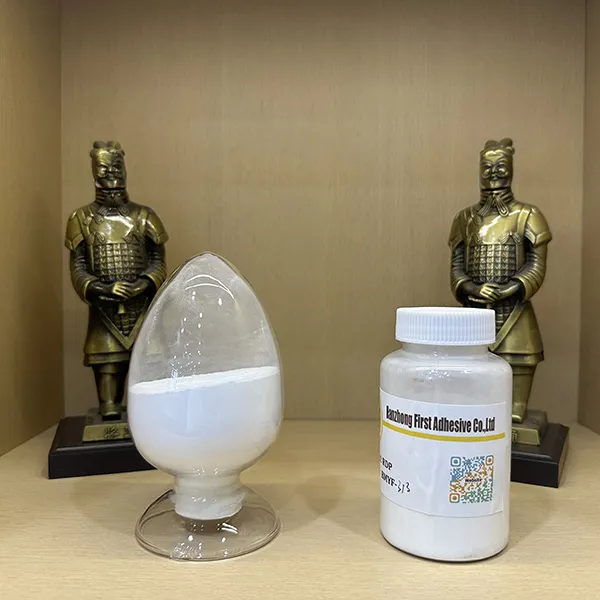
Compare Dosage, Not Only Price per Kilogram
A cheaper price quote might not lead to the smallest expense for the final mixture. The price gap vanishes if the budget grade requires a larger dose. The total expense will spike heavily if this cheap powder causes ruined batches.
Try using this basic math rule:
RDP cost per tonne of mortar = delivered price per kg × dosage in kg per tonne.
For example:
| Item | Grade A | Grade B |
|---|---|---|
| Delivered price | $1.40/kg | $1.62/kg |
| Tested dosage | 16 kg/tonne | 13 kg/tonne |
| Additive cost | $22.40/tonne | $21.06/tonne |
The numbers above serve merely as a guide. The cheaper final expense remains true only if both options pass identical usage tests. Customers must test the whole recipe. They need to use the exact same blending and drying environments.
Include the Cost of Variation
A massive order must also consider hidden expenses missing from the price sheet:
Wasted dry-mix materials.
Added lab checking fees.
Factory downtime.
Fixing and bagging products again.
Goods sent back by clients.
Extra recipe tweaks.
Delays in solving problems.
Ruined or hardened powders.
Quality control for RDP is extremely important for these reasons. A steady and reliable grade holds more worth than a discounted one. A cheap powder that changes its behavior with every delivery causes too much trouble.
Test More Than One Production Batch
A single great sample never guarantees steady quality over time. You should always ask for testing materials from multiple production runs. Do this before you approve ongoing large shipments.
Test these samples using your standard base recipe. Do not change the cement, filler, sand, or water. Keep the HPMC, PCE, and defoamer amounts exactly the same. Maintain identical blending times and drying setups. Write down the traits of both the wet and dry states.
Review Fresh-Mortar Behavior
Wet-mixture evaluations usually cover:
The liquid requirement.
How long it takes to blend.
The spreading or flowing ability.
The working open time.
Downward sliding or sagging.
Trapped air bubbles.
Surface feel and handling ease.
A product that appears identical in its dry state can act quite strangely once wet. It might demand extra liquid. It could generate unwanted bubbles. It can even alter how the paste feels in the worker’s hands.
Review Hardened-Mortar Performance
Based on the final job, you should check:
The pulling grip strength.
Sticking power after soaking.
Bending toughness.
Ability to stop cracking.
Outer layer toughness.
Liquid soaking rates.
Shape holding over time.
How fast power builds up.
Your chosen tests must align with client standards and local rules. The most crucial factor is getting the same results every time. A fantastic initial trial does not act as a total promise. You must evaluate further deliveries to be safe.
Examine the Supporting Additives
RDP never functions by itself. The finished product relies on complex teamwork. It mixes polymer, cellulose ether, and PCE. It also includes defoamer, fibers, gypsum retarder, fillers, and liquid.
Any client aiming to buy hydroxyethylcellulose must pinpoint the precise thickness level and end-use. Using a brief phrase like hydroxyethy fails to meet professional buying standards. You must pick HEC and HPMC based on moisture holding and flow traits. Open time and chemical harmony are also vital.
The HPMC and cellulose category is worth checking out alongside RDP. This is especially true if your recipe requires superior moisture trapping and smoother handling.
When looking at defoamer powder, you must evaluate bubble reduction and visual finish. Dosage rates and chemical blending are equally critical. People looking at different cement mortar defoamer wholesalers ought to request data from matching recipes. An item marketed as a cement mortar system organic silicon defoamer always demands a specific category check and a real-world test.
You should also judge PCE based on its actual task. A polycarboxylate superplasticizer powder company might provide various options. These could be for liquid mixtures, cement grouts, or gypsum setups. Any Pce for cement grouting needs strict testing. You must check its flow keeping, liquid cutting, liquid separation, and power growth. A superplasticizer for gypsum factory needs trials using the real gypsum. It must be mixed with the exact retarder, filler, HPMC, and RDP.
Our PCE product range holds powder types suited for diverse mortar and gypsum tasks. Clients wanting customized polycarboxylate polymer powder must set clear, trackable goals. They should do this before talking about a tailored solution.
If pp fiber goes into the mix, note down its length and amount. Track the blending sequence and spreading technique. This careful tracking stops you from confusing a fiber issue with an RDP failure.
Verify Packaging, Storage, and Delivery
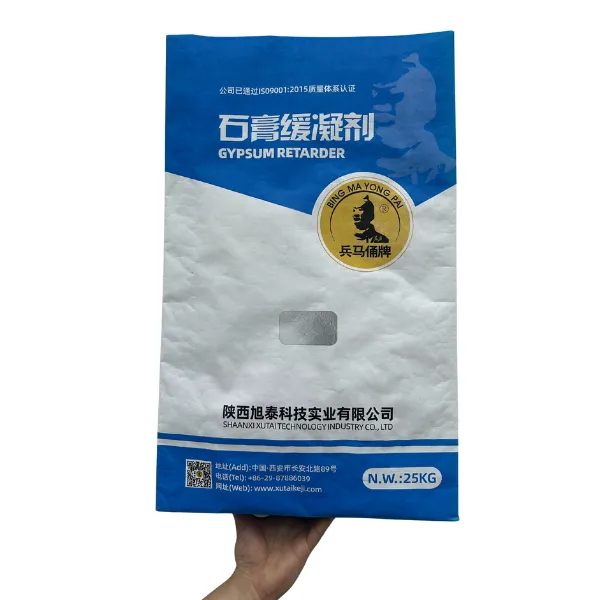
Factories mostly ship RDP in standard 25 kg sacks. Jumbo bulk bags and custom OEM designs are also ready upon request. The wrapping must shield the chemical from dampness during shipping and warehousing.
Request the vendor to verify:
Sack design and internal plastic layer.
Exact weight and wooden pallet layout.
The total lifespan starting from manufacturing.
The best climate for warehouse keeping.
The highest safe stacking weight.
Shields against damp air and direct sun rays.
Steps for handling unsealed sacks.
Delivery waiting times and smallest order sizes.
Proper keeping is critical. High heat, dampness, and heavy weight can cause nasty clumping. A product might show up in perfect shape. However, it can still ruin easily if your storage room feels overly warm or wet.
Here at BING MA YONG PAI®, we supply RDP, PCE, defoamer, and gypsum retarder. We also offer HPMC alongside various dry-mix chemicals. We rely on strict batch checking, factory logs, and saved test samples. This effort ensures a highly steady supply chain. We gladly talk about custom OEM wrapping and tailored recipe needs. These talks depend on the client’s raw materials and final goals.
You can browse our defoamer category and gypsum retarder category. This is helpful when shoppers want a broad chemical bundle instead of just a single item.
Conclusion
Before grabbing redispersible polymer powder in huge volumes, purchasers must look past simple costs and visual looks. You must validate the end-use, polymer traits, and dosage rates. Always check the technical papers, batch facts, and lab routines. Do not forget packing, warehouse rules, and history tracking. Test multiple factory batches using a single mortar recipe. Always factor your extra chemicals into this trial. A tiny price tag only helps if the powder gives steady results at a normal dose. A solid partner must hand over clear paperwork and proper test bags. They should promise steady manufacturing and offer expert help during recipe shifts. The smartest massive buy is never just the least expensive choice. Instead, it is the purchase that builds excellent mortar time after time. It brings zero nasty surprises as you move from one delivery to the next.
FAQs
Q: What should buyers verify before buying RDP in bulk?
A: You need to confirm the end-use match and dosage levels. Also, check the COA, batch steadiness, wrapping, warehouse rules, and expert backing.
Q: What is the standard RDP package size?
A: The normal wrapping is a 25 kg sack. Huge bags and custom OEM designs are also provided.
Q: How much RDP is needed for 1,000 kg of dry mortar?
A: You must discover the exact dose through strict lab tests. The required amount shifts greatly depending on the specific grade and mortar setup.