Which mortar systems benefit from applications of redispersible polymer powder?
Redispersible polymer powder (RDP) is no longer the high-end addition to formulate special tile adhesives. Today it is one of the all-important components for dry-mix manufactures. Such producers are often at the same time mixing cement, lime and gypsum. The powder porous again when water is added. Then, as the mortar dries, it creates a tough polymer film. This film acts like a shield that clings the mineral structure together. It works well whether the substrate is moving, taking up moisture or even heavily worn.
Now entering the fray – a practical problem for purchasing and technical teams. They no longer ask the question, “Does RDP work? They instead say, “The mortar system that needs the specific polymer effect. Each building products benefits uniquely from this one component. Tile adhesive, waterproof mortar, ETICS base coat and gypsum plaster are just a few of the applications with specific requirements. Solutions can be found by looking into the complete formulation. You should also assess local raw materials. Testing must also be carried out directly at the location of the job site.
What RDP changes inside a mortar
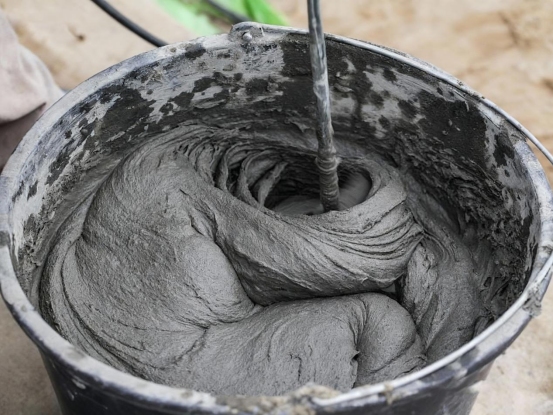
RDP starts as a liquid polymer emulsion. At which point, manufacturing plants spray-dry the liquid into a free-flowing powder. It is very easy to measure into a mixture in this dry format. Also very easy to handle and store. So, during the mixing stage, these fino particles get homogenously allocated throughout the cement or gypsum paste. Over time, the water will vaporize off the mortar. Meanwhile, the polymer becomes fused with the mineral particles. This procedure develops an ongoing and also adaptable net system.
This unbroken network enhances several crucial properties simultaneously:
- it develops superior adhesion to concrete, brickwork, tiles, and insulation boards;
- it delivers greater flexural strength and accommodates slight structural shifts more effectively;
- it boosts internal cohesion, withstands surface abrasion, and prevents powdering;
- it lowers water absorption, assuming the entire formulation is correctly balanced;
- it enables easier troweling, prolongs the open time, and stops sagging.
These advantages always rely on the specific recipe. Numerous variables influence the ultimate performance. These factors include the binder type, sand gradation, cellulose ether, water content, air volume, and curing environment. One particular grade might perform flawlessly in a cement tile adhesive. Yet, that identical grade could fail completely in a gypsum blend. You should consistently evaluate RDP within the fully finished system. Never evaluate a powder merely by looking at a single figure on a technical data sheet.
Mortar systems that gain the most from RDP
Many building fields now want more from dry-mix plants. They need thinner coats. They also want faster setting times. Better durability for building materials is another big demand. A few areas are growing fast right now. These include building updates, machine-applied plaster, outside insulation, and factory floors. At the same time, builders will not accept cracks. They also reject poor mixing quality. The details below link these market needs to specific mortar systems. In these specific systems, polymer modification brings the best real-world value.
Tile adhesive and tile grout
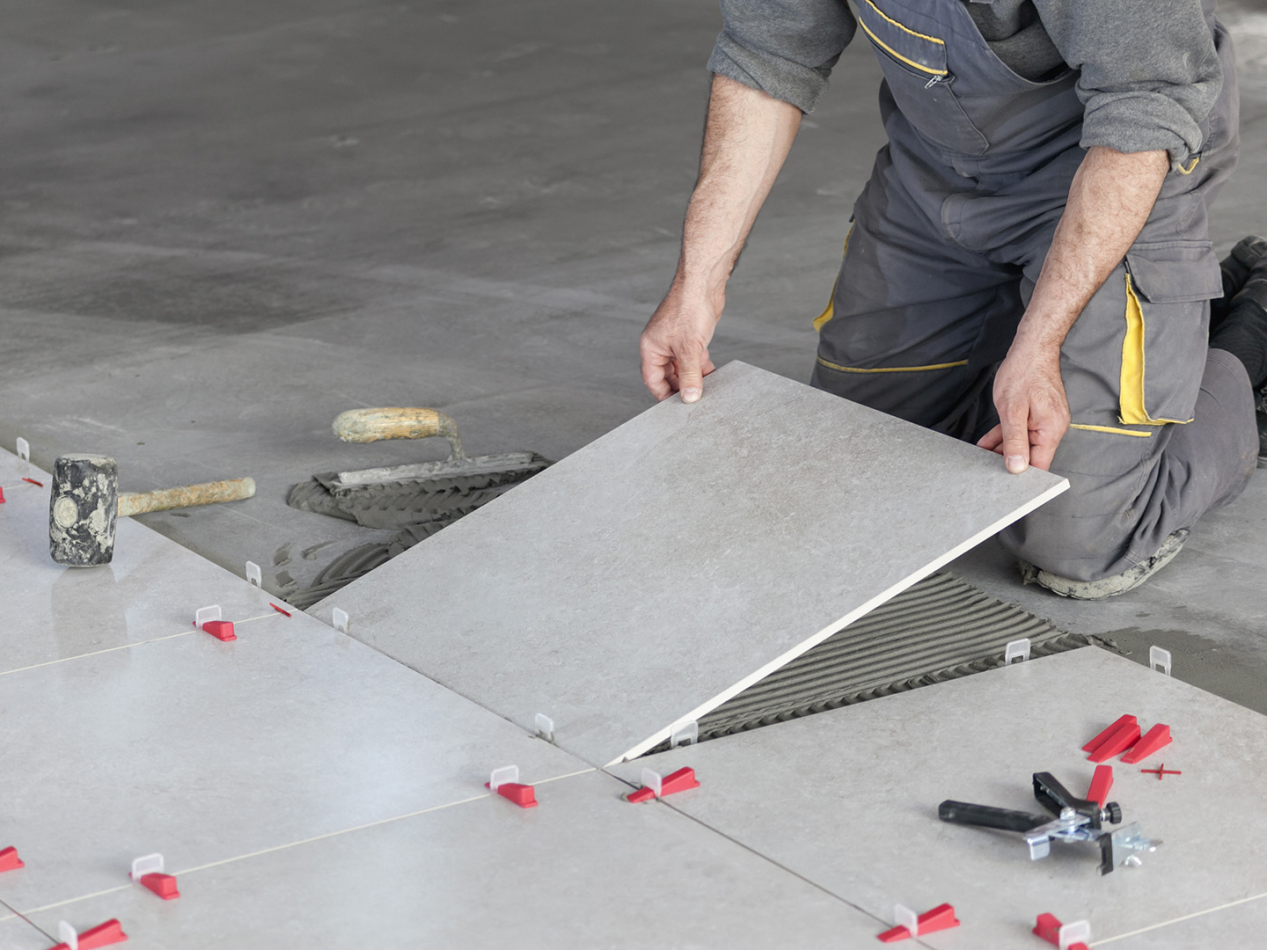
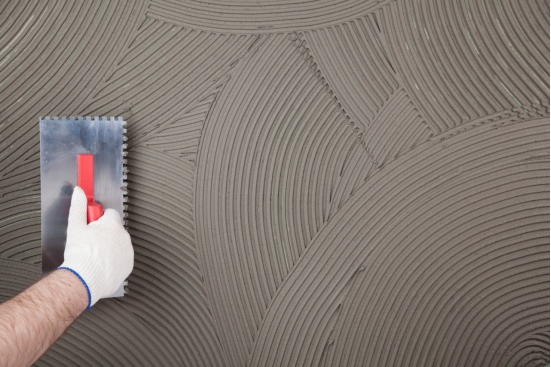
Tile adhesive has to wet the base surface well. It must hold the tile firmly. It also needs to give enough open time for tiny adjustments. RDP helps the dry adhesive form a much stronger grip. It also gives the layer needed bendability. This trait helps when tiles, floor bases, and walls shift at varying speeds. This kind of flex is very important for big, heavy tiles. It is just as key during repair jobs on bumpy or mixed surfaces.
In real uses, workers test RDP for tile adhesive in a few ways. They check water retention, slip resistance, open time, and tensile adhesion. Adding more polymer does not always give better results. Too much powder can hurt the flow. It can also raise costs and make setting times longer. Grout, tile repair mortar, and thin-bed systems get good things from RDP too. Still, each of these different items needs a set mix of sand and water.
Waterproof and flexible mortars
Waterproof mortar must stop liquid water completely. It also needs to stay firmly stuck through constant wet and dry cycles. RDP for waterproof mortar boosts inner strength a lot. It creates a very tough film. This film easily covers small building movements. This skill lowers the risk of hard, brittle cracks. The updated material works very well in bathrooms, basements, and balconies. It is also great for building faces and repair spots. These areas often face water splashes or rising dampness.
The chosen polymer must mix well with the cement, fillers, and water-blocking parts. Good film making, proper layer thickness, and the best curing setups are key parts. A steady testing plan checks real water intake. It also tests bonding after sitting in water. It also looks at crack resistance and easy spreading. You should never rely just on the simple label “waterproof.”
ETICS and insulation render
External thermal insulation composite systems (ETICS) use a mix of parts. These include insulation boards, adhesive, anchors, and a strong base coat. The mortars in these systems face harsh temperature swings. They also handle heavy, wind-blown rain. They also deal with constant shifting between the main wall and the insulation layer. RDP for ETICS greatly improves bonding, bending, and impact defense. This addition makes sure the base coat stays solid. It keeps it whole around fiberglass mesh and board edges.
Any composite system is only as tough as its weakest part. Makers carefully test pull-off strength. They also check cracking risks and water intake levels. They also make sure it works well with the chosen insulation boards. Local weather patterns and normal building methods must be part of the testing phase. This step is vital for walls. They often face extreme summer heat or harsh winter ice.
Wall putty, skim coat and repair mortar
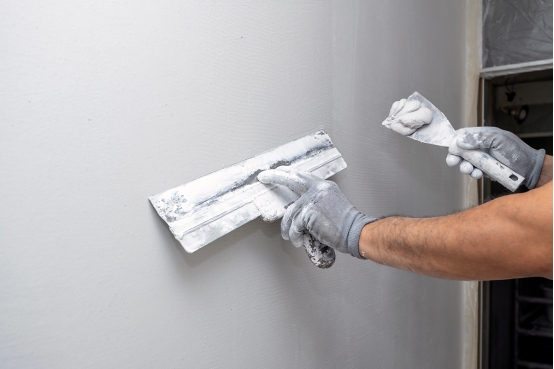
Thin wall coatings show small mixture errors very fast. Poor inner binding makes the surface break down into dust. Weak bonding makes the applied layer peel off. At the same time, uneven drying creates ugly drag marks. It can also cause tiny holes. RDP clearly betters the feel and bonding strength of skim coat and wall putty. Also, it keeps a smooth, nice feel under the trowel.
Repair mortar must hold tightly onto old concrete or brickwork. It must also take in physical stress right at the fixed edges. Adding polymers helps this process a lot. However, other things still decide the final success. These include aggregate size, shrinking rates, layer depth, and curing methods. You must check RDP along with all these details. Do not use it as a magic fix for a badly mixed sand blend.
Self-leveling and gypsum-based systems
Self-leveling mortar demands swift wetting, outstanding flow, and an impeccable final surface. Once it cures, it requires robust adhesion and exceptional durability. RDP for self-leveling mortar reinforces the dried layer and stops the surface from deteriorating. Meanwhile, PCE regulates the liquid flow. Additionally, a defoamer eliminates trapped air bubbles. Achieving the correct equilibrium is quite challenging. An excess of polymer or entrapped air will disrupt the leveling process and degrade the visual appearance.
Gypsum plaster, joint compound, and gypsum self-leveling products function on their own distinct setting timelines. RDP for gypsum mortar contributes essential cohesion and flexibility to the mixture. However, it must interact flawlessly with the base gypsum, the retarder, and the water-retaining additives. For machine-sprayed plaster, consistent pumping and a dependable setting time are highly significant. These characteristics are just as crucial as the final hardness of the finished wall.
Product families and additive combinations
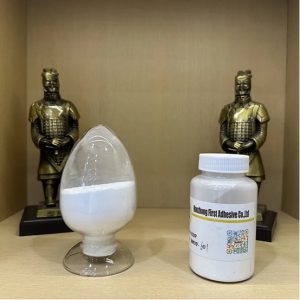
RDP represents a broad family of products rather than one universal solution. Standard powders fit perfectly into everyday tile adhesive and basic plaster. On the other hand, highly flexible grades target waterproofing, structural repair, or insulation tasks. Certain options focus heavily on extending open time and boosting adhesion. Other types highlight maximum elasticity, weather endurance, or curing in cold temperatures. The most practical way to classify them depends on the end use. Ultimately, the specific mortar testing goals dictate which grade you should pick.
At BING MA YONG PAI®, we manufacture RDP and match it carefully with other dry-mix mortar additives. Our RDP range fully covers tile adhesive, waterproof, ETICS, self-leveling, and flexible mortar requirements. If you work with flow-sensitive cement systems, you can test our PCE superplasticizer powders right alongside the polymer. Furthermore, we supply defoamers, gypsum retarders, and HPMC to support your complete formulation trials.
Market signals and a practical validation route
At this time there is a need for tight factory consistency in dry-mix markets. They must be smooth with machine application and almost zero rework. Why do producers want one single formula? This formula needs to cope with ordinary changes in quantities of sand, concrete and site water. They also search for strong finishes among these companies. Finishes like these eliminate buyer complaints. This is precisely why batch tracking matters – simply due to these heavy pressures. It is just as important to retain old samples. Of course, real application labs offer tangible assistance. This is better than vapid rhetoric about a polymer powder.
When you check a new grade or need a substitute, you should follow a brief but firm process:
- Plainly outline the mortar class and base surface. You must also note the weather exposure and the needed testing standard.
- Look at different RDP grades side by side. Make sure to use the exact same base recipe and mixing steps.
- Closely track the water demand and flow spread. You should also record open time, slip, air content, and setting behavior.
- Check the hardened adhesion and flexural strength. Also, test compressive strength, water absorption, and cracking risks if needed.
- Make the top recipe in a small pilot batch. After that, watch how workers apply it on a normal jobsite.
At BING MA YONG PAI®, we fully back this fact-based method. We do strict batch testing and keep retained samples. We also do real-world application work. Our buyers often send us their own cement, sand, or mixed mortar. We use these for custom trials. This hands-on step normally shows much more detail than a standard, basic check. Local raw materials can deeply change the flow. They also affect the setting time and the final bond strength.
Conclusion
Redispersible polymer powder augments several multiple mortar systems. However, true value of the grade comes when it suits the role better than anything else. Tile adhesives require a strong bond and an ample open time, for example. They also need to have well controlled slip. High cohesion requirements apply to waterproof and ETICS mortars. Additionally, they require good movement tolerance. A special balance is required for wall finishes, repair mortars, self-levelling compounds and gypsum goods. They specify what levels of flexibility, flow, air control and setting speed are required. General advice: RDP should always be viewed as merely one ingredient in a thoroughly tested mixture. From there, you need to validate your lab outcomes. Achieve this by producing a pilot batch and conducting on-site inspections. This meticulous approach aids dry-mix manufacturers in matching market demand. It allow for quicker setups and consistent factory quality. It makes surfaces that are also quite tough. Polymer adjustment thus becomes a cost-effective route to improve overall mortar performance by relying on genuine records and in country fabric assessments.
FAQs
Q: Which mortar systems benefit most from redispersible polymer powder?
A: Tile adhesive, waterproof mixtures, ETICS, repair blends, self-leveling compounds, and specific gypsum mortars see great benefits. This happens when the chosen RDP grade matches the exact formulation.
Q: Can RDP replace PCE or a defoamer?
A: No, it cannot. RDP specifically enhances adhesion and flexibility. Meanwhile, PCE controls the material flow, and a defoamer removes unwanted air bubbles.
Q: How much RDP should be added per kilogram of dry mortar?
A: The correct dosage relies entirely on the specific system. You must confirm the exact amount through proper laboratory trials. Do not rely on a fixed rule of kilograms per 1,000 kg of dry mix.