How can customized redispersible polymer powder be matched to a specific mortar application?
Choosing a redispersible polymer powder (RDP) entails more than merely selecting for strength. Cement can be used in a tile adhesive as well as a skim coat (thin layer), or even within the water-resistant mortar. But they react to different kinds of stress once you combine and cure them. But what is you final mortar of construction required to do? Firstly, you need to consider the local binder, fillers, water and processing methods. This is where redispersible customized polymer powder comes into play. You pick one and try it as part of the situation. It is never simply a discrete piece.
Start with the mortar’s job
So determine the actual job of mortar first before comparing powder types. A special balance of a mix that is crafted for yet another much-quick floor team. This egalitarianism is a far cry from the wall verliezingstauglich klüger des puncturing tile. Begin with the main application. Then turn the potential weaknesses into actual tests. This method stays ground level with your selections It also clears discussions with your supplier.
Set performance priorities by application
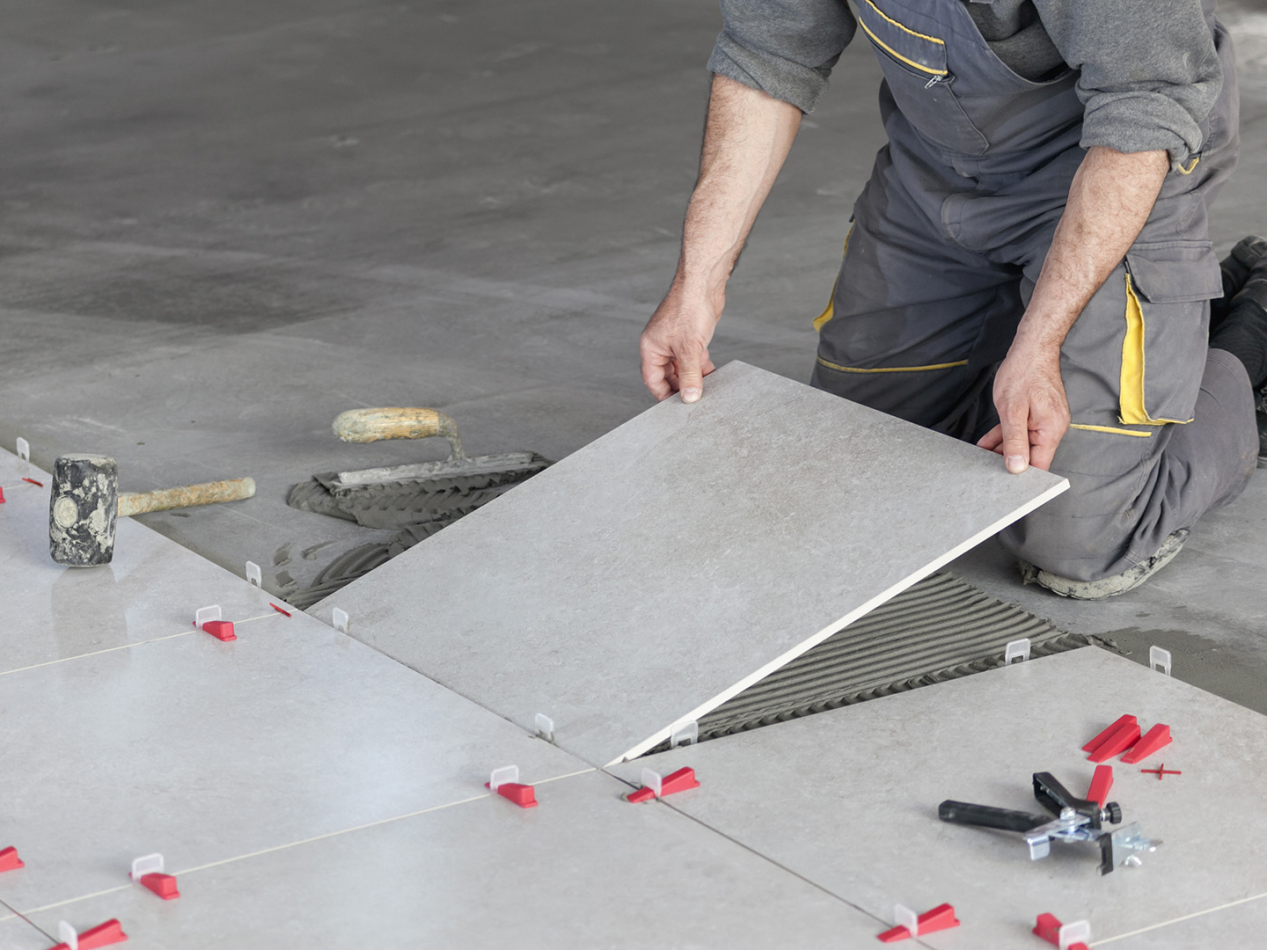
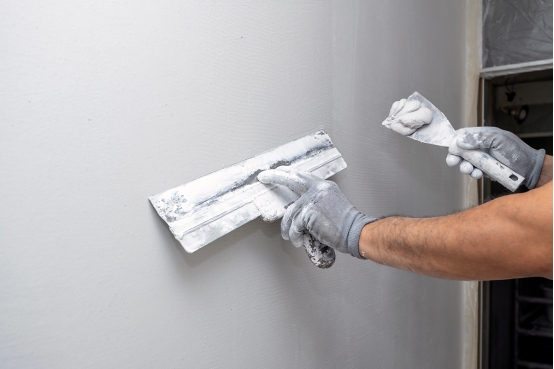
When evaluating a tile adhesive, examine bond strength in combination with open time and slip resistance. A strong bond score on its own does not tell the whole story. If the paste remains soft long enough, it will not show. It also won’t demonstrate whether it can hold a tile anchored to a wall. Things like flexibility and crack resistance come into play more in repair mortars, waterproofed mortars. Sticking firmly to the base surface is also one of the priorities. For skim coats, there are specific requirements; such as the necessity for a smooth feel and firm surface binding. On the other hand, self levelling mortars need to be easily flowing. They need to be able to do this without sacrificing their strength once they dry.
Such clear contrasts show why one single no-frills RDP grade might struggle at ideal to accommodate each item in a plant. Your ideal match will support your specific aspirations. It does so without making the mixing step, which you will be doing fickle and hard to monitor while also not having your final cost out of reach. And it does this without the mixing step, base work or final cost being so challenging to manage
Consider the full formula and job conditions
RDP is just like one ingredient of a dry-mix mortar. After all, there are so many things that can affect the final outcome. Things like the kinds of cement, sand sizes, mineral fillers and cellulose ethers. Defoamers added, amounts of water and mixing type also affect it greatly. External factors are equally relevant. How the mix behaves will be determined by temperature, moisture of air and whistle base absorption. Trip duration and length of the crew working window are critical too. One exact cement or sand may work well in a particular recipe. If you replace those raw materials, it must be tested again.
What customization changes
RDP is a type of polymer powder, sprayed-dried particles. As you stir it, out in the water. As the mortar sets, polymer beads create a film within the solid substrate. The film layer is non stick and it holds together, the bending of this thin-spread material helps. But the polymer type has a significant impact on how this results in practice. This also depends on the other ingredients that are in a recipe. When we say customization, it means you compare this impact with a clear end-use. You have to examine the real test facts.
Match the balance, not a single number
The mortar is affected by polymer chemistry and powder traits. But a simple label cannot predict real-world success. So, an intelligent comparison gauges both wet handling and dry results in parallel. Water demand and texture, open time, slip etc. are to be examined Also important are adhesion, bending strength and resistance against water. There is nothing fancy about it; this balance needs to be simple and consistent. But you dont just want the highest number from a single test.
You can just add more polymer to enhance specific traits. However, it can be a potpourri of cost and moisture ingestion rates, sealed air in addition to slow drying. Similarly, adding a defoamer may remediate one defect. Likewise, switching to a different cellulose ether could achieve the task above. But those fixes might end up creating two new issues somewhere else. Only change one thing for a trial. It meticulously records the entire dish including water quantities, mixing sequence and drying arrangement.
Treat compatibility as a system question
RDP should be tested using the same cement, sand and other components intended for use in the final run. HPMC-grade (or hydroxypropylmethyl cellulose grade) can be selected based on water holding and easy handling. It will include a pce while using cement grouting. Well, the customized polycarboxylate polymer powder and china pce for cement grouting customizable search terms have a different kind of purchasing intention. They certainly do not substitute testing the entire mortar system.
When buyers do cement grouting manufacturers or polycarboxylate superplasticizer powder suppliers, they need to tell their binder type. They should also specify the flow rate that is required. Requesting an easy A is not going to cut it The same logic applies when speaking to cement mortar defoamer wholesalers. Choose between HPMC and hydroxyethylcellulose. They often google quickly with “hydroxyethy”. Even a query such as buy hydroxyethylcellulose does not come without an easily identifiable end-use and precise specification. Each additive serves a certain role. But it is only through the last combined blend that real harmony will be revealed.
A practical selection and trial process
Supplier information could also help narrow the scope. Still, the mortar maker has a final say on the recipe in question. An effective testing plan eliminates blind guessing. It enables you to identify a bona fide powder effect. It isolates that effect from changes due to water, raw material or mixing styles. Organise all of your test samples So that you are able to trace back easily. Each time you compare alternative options, use the same test rules.
Describe the target before requesting a grade
Write up a short project brief that includes:
- The mortar type and its planned use. State if it relies on cement or gypsum.
- The binder, sand, filler, and current additive setup. Note any known shifts between batches.
- The needed wet and dry traits. Rank them by how much they matter.
- The mixing gear, water amounts, work methods, and job site facts.
- The current flaw or the main upgrade goal. This could be short open time, sliding, cracking, or uneven flow.
This info gives a supplier enough background. They can then suggest samples or talk about a custom fit. At BING MA YONG PAI®, we build RDP and other building additive options. We base them right around customer recipes. Our direct testing helps you pick the right item for your mortar goals. Our RDP range acts as a good starting spot to compare grades. The perfect choice still relies entirely on the final mortar and the test facts.
Run controlled laboratory trials, then verify production
Keep your base recipe completely fixed. Compare just a few options at one time. Write down the powder amounts, water needs, and mixing times. Note the wet texture and the key job tests. For a tile paste, this might cover open time, slip, and sticking power. For a waterproof mix, check the grip, bending ability, and water blocking. Do this under the correct test rules. For self-leveling goods, watch the flow and drying habits. Look for surface flaws and final hard strength.
A lab choice might hit the target perfectly. When it does, prove it in a real factory batch. Try to test it under real site rules if you can. A lab score is just a simple filter. It is never a full promise. Mixing power, storage, worker habits, and weather can show hidden flaws. A tiny lab batch often hides these issues. Set clear passing limits before you start the trial. This ensures your final choices do not rest on simple feelings alone.
Applications and current formulation pressures
RDP goes into cement, lime, and gypsum dry mixes. However, the exact reason for adding it shifts with each product. Makers now face much higher demands. Buyers want steady quality, fast work, and fewer repair visits. Machine tools and large tiles make texture and working time very obvious. Local material changes can easily ruin a good recipe. Hot or damp job sites can also break a mix that passed a basic lab test.
Common uses cover tile pastes, grouts, wall putty, and skim coats. They also include waterproof mixes, repair blends, and ETICS base coats. Some self-leveling floors use them too. Not every RDP works for every single task. Read the supplier notes and test the final mortar. At BING MA YONG PAI®, we supply related PCE, defoamer, and HPMC lines for recipe work. We offer these right next to our RDP. Our gypsum retarder helps gypsum setups. It works well when you need to control the drying clock. Pick each additive for its main job. After that, prove the whole blended item works.
Conclusion
Matching customized redispersible polymer powder to a mortar begins with the final product. It does not start with a supplier grade name. First, define the exact job. List the top performance goals. Note the raw materials planned for the factory run. Next, compare the test powders inside a strict recipe. Check the wet handling and the final hard strength. True harmony with cement, sand, cellulose ether, PCE, and defoamer is vital. A small change in one part can shift the whole batch. Lab tests should build your short list. Factory and site checks must prove it. With a clear plan and written facts, mortar makers can pick a great RDP. They can find one that fits their exact process. They do not have to lean on a basic, general guess.
FAQs
Q: Can one RDP grade work in every mortar?
A: Not in a safe way. A tile paste, a waterproof mix, and a skim coat have very different needs. You must test every single recipe.
Q: How much RDP should a mortar contain?
A: There is no single magic amount. You must find the right level through real tests. Use your actual binder, fillers, and additives to hit your targets.
Q: What should I send when asking for customized redispersible polymer powder?
A: Share your exact mortar recipe and raw materials. Include your work method, test goals, and any current product flaws.