What Is Redispersible Polymer Powder and How Does It Improve Specialty Mortar?
The real value goes far beyond just higher bonding strength. Specialty mortars have to spread easily. They must hold their position firmly. They also need to handle slight structural shifts. Besides that, these materials must work well in different environments. RDP helps formulators reach these tough goals. Yet, it is only one part of a complex mix. Its final effect depends a lot on the chosen binder and aggregate. It also relies on cellulose ether, other special additives, the precise water amount, and the blending steps.
Material Characteristics and Core Benefits
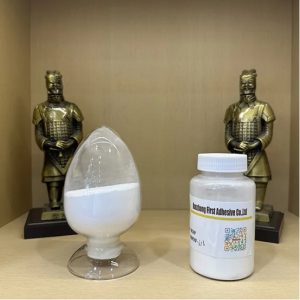
RDP acts as a dry polymer additive. It is very easy to transport. Makers design it to wake up when it touches water. The powder spreads evenly across the binder and fine aggregate inside a fresh batch. After that, the mortar dries and cures. A clear polymer network forms inside the hard structure during this time. This special action gives the mortar a great mix of stickiness and flexibility. A simple mineral-only blend cannot reach this good balance.
You can see its real worth by checking the final mortar. You should not judge the dry powder just by itself. RDP can boost several main features. This outcome depends directly on the exact formulation used:
- Firm adhesion to different mineral substrates and ceramic tiles.
- Higher flexural strength and general flexibility. This lets the mortar deal with small structural shifts.
- Better internal cohesion. This brings higher resistance against cracks, surface wear, and physical hits.
- Upgraded water resistance. It offers lasting durability in wet or fully exposed outdoor areas.
- Great workability. Workers feel a much smoother consistency while applying it.
Please remember that these perks come from the whole formulation. They do not happen automatically. For example, extra flexibility is very useful for a repair or waterproofing mortar. Conversely, a tile adhesive must meet tight rules for open time and slip resistance. So, a good test must check the exact traits that matter for that product type. It must also match local testing rules.
RDP Grades and the Specialty Mortar Systems They Serve
The general term “RDP” covers many powders. These powders have unique polymer designs and different performance traits. Producers group these grades carefully by their planned use. They test them with standard mortar recipes. A great choice for a cement-based tile adhesive might fail in a gypsum plaster. It might also work poorly in a self-leveling compound. You need to match the right grade to your binder and your end goal. After that, you must confirm your choice by testing the full recipe.
Tile Adhesives, Grout and Renovation Work
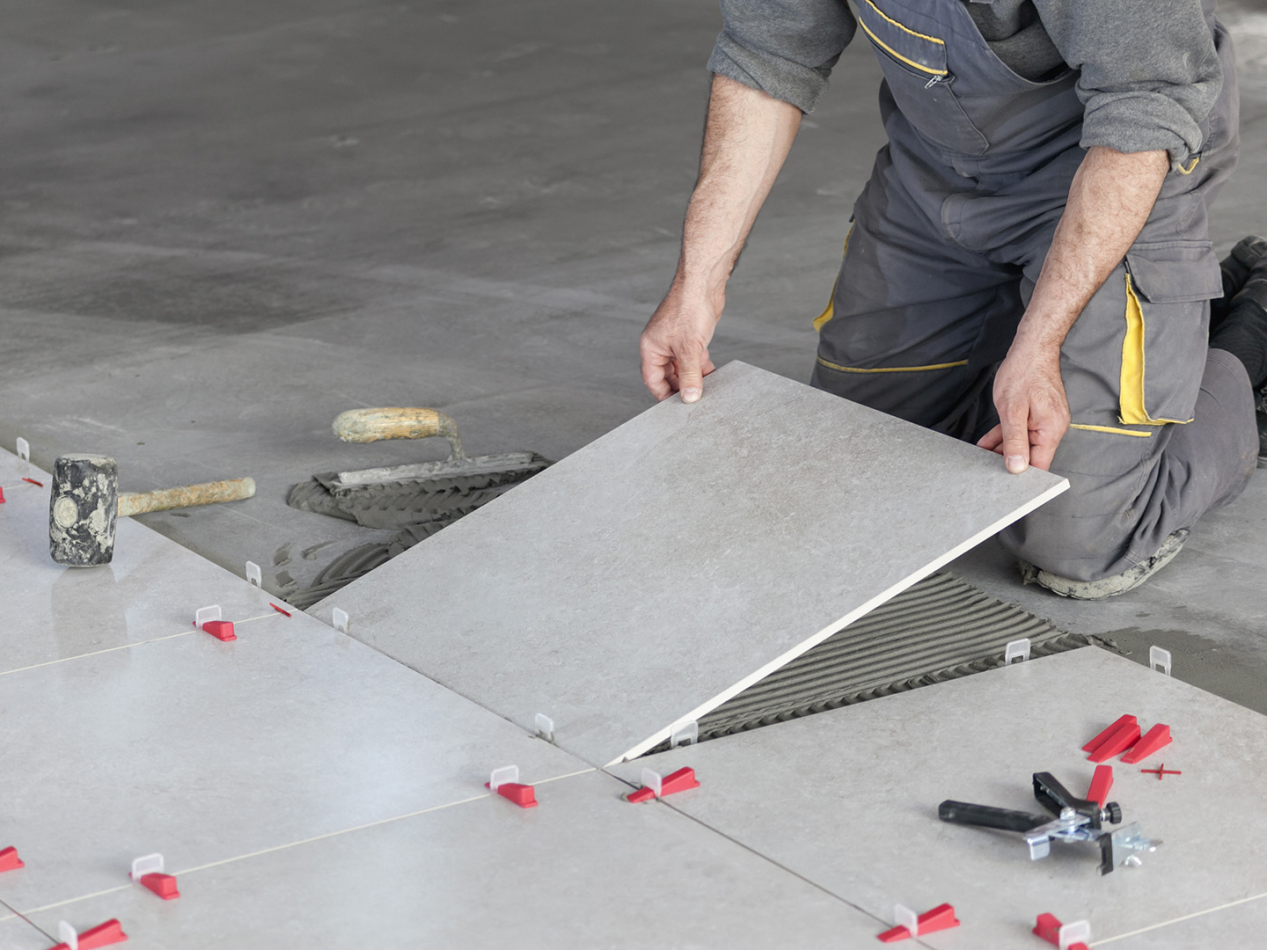
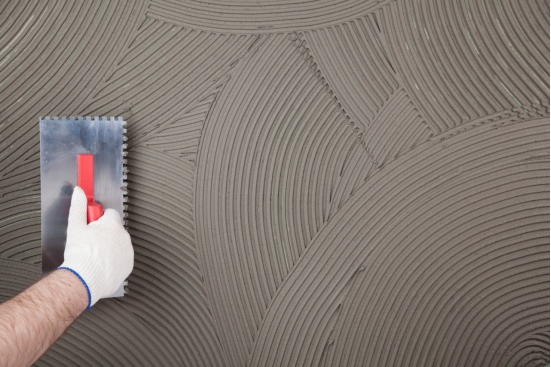
A good tile adhesive needs to stick tightly to the tile and the base below. It must stay easy to work with during the whole setup. RDP directly boosts adhesion, cohesion, and flexibility. At the same time, the full recipe controls key details like water retention, open time, and slip resistance. Today’s building projects often use larger tiles. They also use tiles with dense backs. Fixing up older mixed substrates is very common now. These new tasks make the needed properties much harder to achieve. Tile grout and repair materials use polymer modification for similar reasons. Still, their application steps and testing goals are very different.
Waterproofing, ETICS and Protective Mortars
Waterproof mortars and protective coatings need a very tough bond. They must also fight off steady water contact. RDP helps creators make a much more flexible and unified matrix. Even with this help, real water resistance relies on the whole product design. It depends on layer thickness, correct curing steps, and good substrate prep. External thermal insulation composite systems (ETICS) face special problems. The bonding and base-coat mortars in these systems deal with harsh weather daily. They also face huge temperature changes. Because of this, any testing must copy real-world conditions accurately. Formulators should not trust general claims about flexibility.
Wall Putty, Skim Coats and Repair Mortars
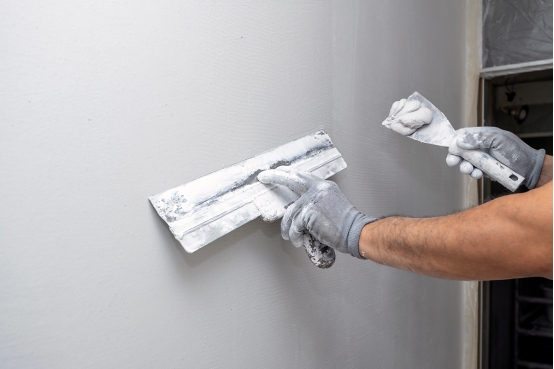
Workers put on wall putty and skim coats in very thin layers. For this reason, easy spreading and strong surface cohesion matter a lot. Fighting off surface powdering is also vital. RDP greatly increases adhesion and mechanical strength. It keeps the finish very easy to work with at the same time. Repair mortars deal with completely different issues. They have to stick firmly to older materials. They must also soak up physical stress near the fixed spot. Here, you need to check the polymer amount with great care. You must look at it along with shrinkage rates, aggregate grading, layer thickness, and normal curing habits.
Self-Leveling and Gypsum-Based Formulations
Flow traits and the final surface finish are the top goals for self-leveling mortars. Still, stickiness and total strength stay vital after the material gets hard. Creators use RDP as one part to hit this fine balance. They blend it with chemical dispersants, defoamers, and other items. Gypsum systems bring their own setting habits and special matching needs. You cannot just move a cement recipe straight into a gypsum product. Instead, you have to watch the setting time, flow speed, air release, and surface look all at once.
Formulation Trends: Performance, Consistency and Field Validation
Factory-made dry mixes handle very specific tasks in building markets worldwide today. These tasks include building repairs and tile fitting. They also cover heat insulation and floor prep. This rising demand places intense pressure on mortar makers. They need to supply products that perform the same way in every single batch. The mixes must also blend well with local raw materials. Plus, builders show a deep interest in low-waste building techniques. As a result, lasting durability and reduced structural fixes become crucial. Still, brands must back up their green claims using official product documents. They cannot just assume these perks exist merely because RDP is in the blend.
The best development work pairs exact lab tests with real-world building methods. It looks at exactly how workers mix and apply the mortar on the job site. A tightly managed trial brings out key details. It shows if a recipe tweak boosts one trait but harms another. Such traits might involve material flow, air levels, setting speed, or total cost. After this, field checks become vital. This phase confirms if the great lab results hold true outside. It tests the mix using real substrates, local water, actual tools, and true weather conditions.
A Practical Test Sequence
Teams often design a new mortar or just tweak an old one. When doing this, you must compare various options using the exact same base formula. You need to log the whole testing phase just as closely as the end results. A clear test plan often includes these steps:
- Wet-mix traits. This looks at water needs and total mixing time. It also covers spread, slip resistance, open time, and material flow for the project.
- Hardened results. You need to check bond strength, flexural strength, and compressive strength. Also test for cracking risks, water absorption, and surface wear. This relies fully on the planned end use.
- Factory and site reviews. These steps track powder flow and batch consistency. They also review substrate prep, curing habits, and direct feedback from the installers.
Always apply the exact test method needed for your target market and product type. Sometimes early testing scores look very similar. When that happens, run the trial again. Change just one factor at a time. Passing a small lab test acts as a good first step. Yet, it never replaces a full production-scale batch. It also cannot take the place of a true site inspection.
How RDP Works with Other Dry-Mix Additives
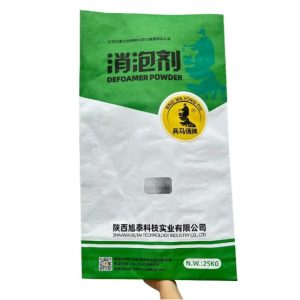
The solid performance of specialty mortar stems from the complex teamwork of several distinct materials. HPMC or another kind of cellulose ether directly impacts water retention. It also changes the general handling feel. Builders add PCE when they require better dispersion and flow control. This holds especially true in fluid cement systems. At the same time, a defoamer helps manage unwanted trapped air. A gypsum retarder controls the setting speed in different gypsum goods. You cannot use these items as direct swaps for RDP. They merely target completely different aspects of the mortar mix. For this reason, you must always test them closely for chemical compatibility.
At BING MA YONG PAI®, we actively work with high-quality dry-mix mortar and gypsum additives. Our extensive product lineup includes RDP, PCE, defoamer, gypsum retarder, and HPMC. Our RDP range thoroughly covers many different application needs. In addition, our PCE products are widely used in highly flow-focused systems. We also proudly offer reliable defoamers and effective gypsum retarders. Our dedicated application work includes comprehensive laboratory testing and expert formula support. However, the most meaningful evaluation still comes from agreed-upon tests and practical field checks. These must be conducted directly within the customer’s own mortar mixture.
Conclusion
Redispersible polymer powder acts as a highly versatile modifier for specialty mortar. It can significantly improve adhesion, cohesion, and flexibility within any dry-mix system. These specific benefits matter greatly in tile adhesives, waterproofing products, and smooth wall finishes. They are also crucial for repair mortars, ETICS, and selected self-leveling formulations. However, each unique application asks for a completely different balance of properties. Proper grade selection should always begin with an analysis of the binder, substrate, site conditions, and required tests. After that, you must assess the RDP alongside the other additives within the actual formula. You need to check both the fresh mixing behavior and the final hardened performance. Laboratory results effectively help narrow down the available options. Meanwhile, full production batches and careful field observation show whether the formulation actually works in practice. This practical, application-led approach gives mortar producers much clearer evidence for future product development. It also guarantees far more dependable results on the active job site.
FAQs
Q: What does redispersible polymer powder do in mortar?
A: It can greatly improve overall adhesion, internal cohesion, and structural flexibility. The powder achieves this after dispersing evenly in water. It then forms a tough polymer film as the mortar mixture slowly dries.
Q: Is RDP used in gypsum mortar?
A: Yes, it is. Some specific gypsum formulations utilize RDP to boost performance. However, you must carefully test chemical compatibility, setting time, material flow, and final strength all together.
Q: How is RDP performance checked?
A: You should compare both fresh and hardened mortar properties during controlled laboratory trials. After doing this, you must confirm any promising results under real production and actual field conditions.