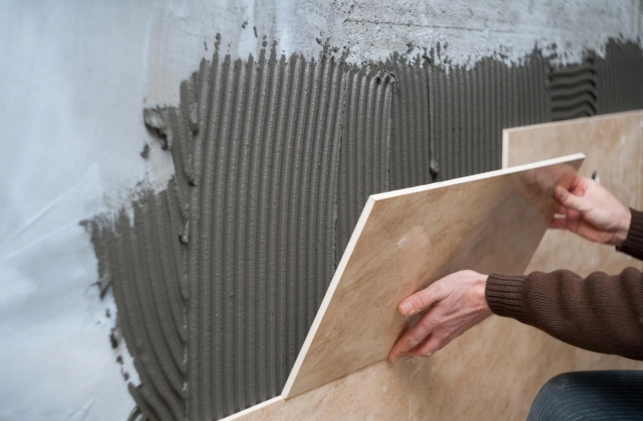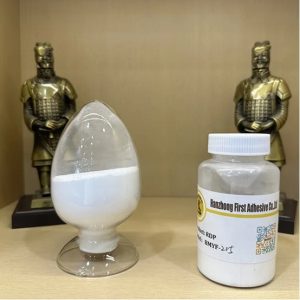
Specialty mortars have to do much more than just stick two surfaces together. They must spread easily. They also need to stay workable during the installation process. These materials must fight shrinkage. Furthermore, they have to keep their grip after facing wet conditions, changing temperatures, and constant loads. This explains why redispersible polymer powder stands as a vital ingredient in today’s dry-mix recipes.
When you mix them with water, RDP particles spread out evenly across the mortar. As the blend dries, these tiny pieces build a thin polymer film. This film links cement or gypsum particles together. It also boosts contact with the base surface. Because of this process, the mortar gains tougher adhesion, tighter cohesion, and managed flexibility.
Why RDP Matters in Specialty Mortars
A mortar might look very tough during a crushing test. However, it can still break at the joining line. The bond line has to handle pressure from different base materials. It must deal with uneven drying. It also faces shaking and heat expansion. RDP lets the hardened structure share this pressure. It stops the stress from gathering at one weak spot.
In real applications, this leads to fewer empty gaps. It brings better edge sticking. It also builds stronger internal bonds. Moreover, it lowers the chance of sudden cracking when the whole mix is mixed correctly.
A Polymer Bridge After Mixing
RDP does not work like a basic glue thrown into a wet mix. First, its particles scatter in the mixing water. They then cover the mineral grains. While drying happens, the particles build a steady or partly steady film. This film makes polymer bridges across tiny holes and touch points. Therefore, it helps the mortar grab both the base surface and its own mineral frame.
This polymer bridge brings great value to thin-bed tile adhesives. It works well in repair mortars and skim coats. It also helps in other setups where the mortar coat is too thin to soak up movement by weight alone. Sticking power relies on the polymer grade and the added amount. It also depends on the binder sort, water needs, and drying conditions. Thus, careful lab testing stays very important.
Flexibility Under Movement and Stress
Flexibility does not equal weakness. Inside a well-planned mortar, the polymer part permits gentle bending. Meanwhile, the mineral frame holds the heavy weight. This careful balance lets the mortar handle slight base shifting. It deals with drying tension and repeated heat shifts. It does all this without dropping its tight grip.
This exact trait can boost shock resistance. It also cuts the risk of a tiny crack moving fast through the whole coat. For outside insulation setups, wall fixes, and flexible tile glues, this stress-handling skill can matter just as much as quick early strength.
Material Features That Influence Performance
Makers should pair the polymer with the complete mortar setup. They should not just look for one general grade. Key points involve polymer makeup and film building. They also include glass transition traits and binder matching. Good mixing quality, water defense, and ease of working matter too. The chosen grade must back up the final job. It should not just raise a single lab score.
Important performance benefits include:
- Adhesion: RDP can improve tensile adhesion to mineral, masonry, gypsum, and selected board substrates.
- Flexibility: The polymer film helps the mortar handle minor movement and reduces brittle failure.
- Cohesion: Better internal bonding can reduce powdering, edge damage, and weak areas after curing.
- Water resistance: Certain grades support a denser polymer film, although water resistance still depends on the complete formulation.
- Workability: The right grade can improve spread, slip control, and the feel of the mortar during application.
- Durability: Improved interface bonding helps the finished layer remain stable during thermal cycles and moisture changes.
Recent industry discussions are also placing more attention on lower-carbon construction, building renovation, prefabricated production, and consistent factory-made dry mixes. These trends increase the need for additives that deliver reliable performance at carefully controlled dosages. RDP can help manufacturers develop thinner, more durable layers while reducing defects and rework.
Main RDP Classes and How to Select Them
RDP products are normally selected according to the job the mortar must perform. A tile adhesive, self-leveling compound, flexible repair mortar, and gypsum skim coat may all benefit from polymer modification, but their performance priorities are different.
Common selection directions include:
- Flexible grades: Suitable for systems that require movement toleranceand crack control.
- General-purpose grades: Useful for improving cohesion, workability, and adhesion in standard dry-mix products.
- Water-resistant grades: Considered for damp areas or systems exposed to repeated wetting.
- Fast-dispersing grades: Helpful when quick wetting and even distribution are important during plant or job-site mixing.
Our RDP product range is intended for system-based selection. At BING MA YONG PAI®, we discuss the target substrate, binder, filler, water level, curing conditions, and required test results before recommending a suitable grade. This approach helps customers compare real mortar performance instead of relying only on a product name.
Applications Across Key Mortar Industries
RDP is most useful where a dry powder must become a reliable, thin, and well-bonded layer. Its role can be seen across several construction and industrial applications:
- Tile and stone adhesives: RDP improves substrate contact, slip control, and tolerance of minor movement.
- Exterior insulation and façade systems: It supports cohesion and bond retention in basecoats, renders, and reinforcement layers.
- Repair and patch mortars: It improves adhesion to existing concrete or masonry, particularly in thin repair layers.
- Self-leveling and flooring systems: It can improve surface integrity and resistance to early abrasion.
- Gypsum plasters and putties: It supports cohesion, surface feel, and adhesion when combined.
- Prefabricated components: It helps provide more repeatable dry-mix performance when raw materials and mixing conditions are controlled.
BING MA YONG PAI® supplies construction chemical additives for dry-mix mortar and gypsum applications. Our product portfolio supports different formulation needs, from polymer modification to water retention, air control, setting control, and flow improvement.
How Additives Work Together in One Formulation
RDP is effective, but it is rarely used alone. Specialty mortar performance comes from the interaction of the polymer, binder, fillers, cellulose ether, air-control package, fibers, and setting modifiers. The highest polymer level is not automatically the best solution. A balanced formula should provide adhesion, open time, strength, workability, and cost control together.
These relationships become especially important when manufacturers change cement, gypsum, sand, filler, or mixing equipment. A small change in one component can alter water demand, air content, setting speed, and final bond performance.
Water Retention and Air Control
Cellulose ethers, including hydroxyethyl cellulose, help retain water and control the consistency of wet mortar, while a suitable defoamer powder helps reduce entrapped air. A well-balanced combination can improve workability, maintain stable viscosity, and minimize bubbles that may lead to pinholes or surface defects. This helps produce a more uniform mortar with good spreadability and a smoother finish.
Too much retained air can reduce the actual contact area between mortar and substrate. Too little air can make the mortar harsh and difficult to apply. For buyers working with cement mortar defoamer wholesalers, the key question is how the defoamer behaves with the chosen RDP, cellulose ether, cement, and mixing process.
Setting Control in Gypsum Systems
Gypsum products need enough working time for spreading, leveling, shaping, or joint filling. Our gypsum retarder range uses high-activity powdered retarder technology for gypsum-based building materials.
HR01 and HR02 are high-activity gypsum retarders designed to extend working time, provide flexible control of setting time, and help prevent false setting and sudden setting while maintaining the mechanical strength of hardened gypsum. According to the technical data sheets, the recommended dosage range is 0.5‰–3.0‰ for HR01 and 1.0‰–3.0‰ for HR02. The actual dosage should be determined through laboratory testing based on the specific gypsum formulation and required setting time.
Both grades are supplied as white to light-yellow powders, with a typical bulk density of 750±100 g/L and moisture content at or below 5.0%. The standard packaging is 25 kg/bag.
A Practical Buying Guide for Project Teams
A good purchasing decision starts with the final mortar, not the additive name. Buyers should request a technical data sheet, recommended dosage range, sample quantities, and test guidance. Performance should then be compared in the actual binder and filler system used by the manufacturer.
Before placing an order, project teams should:
- Define the use: tile adhesive, render, repair mortar, gypsum plaster, self-leveling compound, or another specialty system.
- Set the performance target: tensile adhesion, flexural behavior, water resistance, open time, sag control, or surface finish.
- Test the full package: RDP, cellulose ether, defoamer, PCE, fiber, retarder, and mineral fillers should be evaluated together.
- Use plant-relevant mixing: laboratory hand mixing may not predict results from a high-speed dry blender or job-site mixer.
- Review supply consistency: a reliable polycarboxylate superplasticizer powder company should provide stable batch control.
- Match flow requirements: pce for cement grouting manufacturers need grades suited to water reduction, flow retention, and cement compatibility.
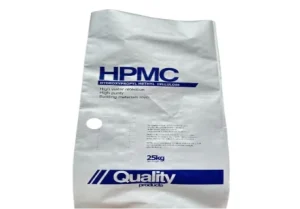
At BING MA YONG PAI®, we help customers review additive combinations according to their application and production process. Our HPMC products can be considered alongside RDP when a formula needs better water retention and workability. We also support discussions involving pp fiber, defoamer powder, PCE, and related construction chemical additives.
Conclusion
Redispersible polymer powder supports specialty mortar performance by forming a flexible polymer film after mixing and drying. This film strengthens the bond between mortar and substrate, improves internal cohesion, and helps the cured layer manage small movement without becoming weak or soft.
The best grade depends on the binder, filler, water level, application thickness, curing conditions, and required test results. RDP also works as part of a wider additive package that may include HPMC, defoamer powder, PCE, pp fiber, and gypsum retarder.
For project teams, careful system testing is the most reliable path to a mortar that applies smoothly, bonds firmly, and remains dependable during service.
FAQs
Q: What is redispersible polymer powder used for?
A: It improves adhesion, cohesion, flexibility, workability, and durability in dry-mix mortars.
Q: Can RDP improve flexible tile adhesive?
A: Yes. A suitable grade can improve bond strength and movement tolerance when properly dosed.
Q: How much RDP should be added?
A: The appropriate RDP dosage should be determined based on the complete mortar formulation and target performance, and confirmed through laboratory trials.