Which demand and technology trends are shaping the redispersible polymer powder industry?
Why the RDP market is changing
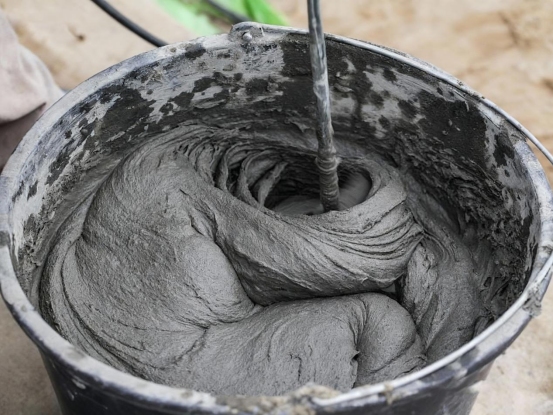
Redispersible polymer powder (RDP) is a type of spray-dried polymer. And when blended with water, it readily becomes dispersed again. Makers use it in cement, lime or gypsum dry blends. The powders help adhesion, cohesion or flexibility. It also prevents cracking. Current demand is not because of a single big find. Mortar makers, on the other hand, must juggle burgeoning job-site requirements. It also requires stringent control over raw material, usage and product quality. The daily pressures explain multiple important trends in the redispersible polymer powder industry.
More specific performance targets
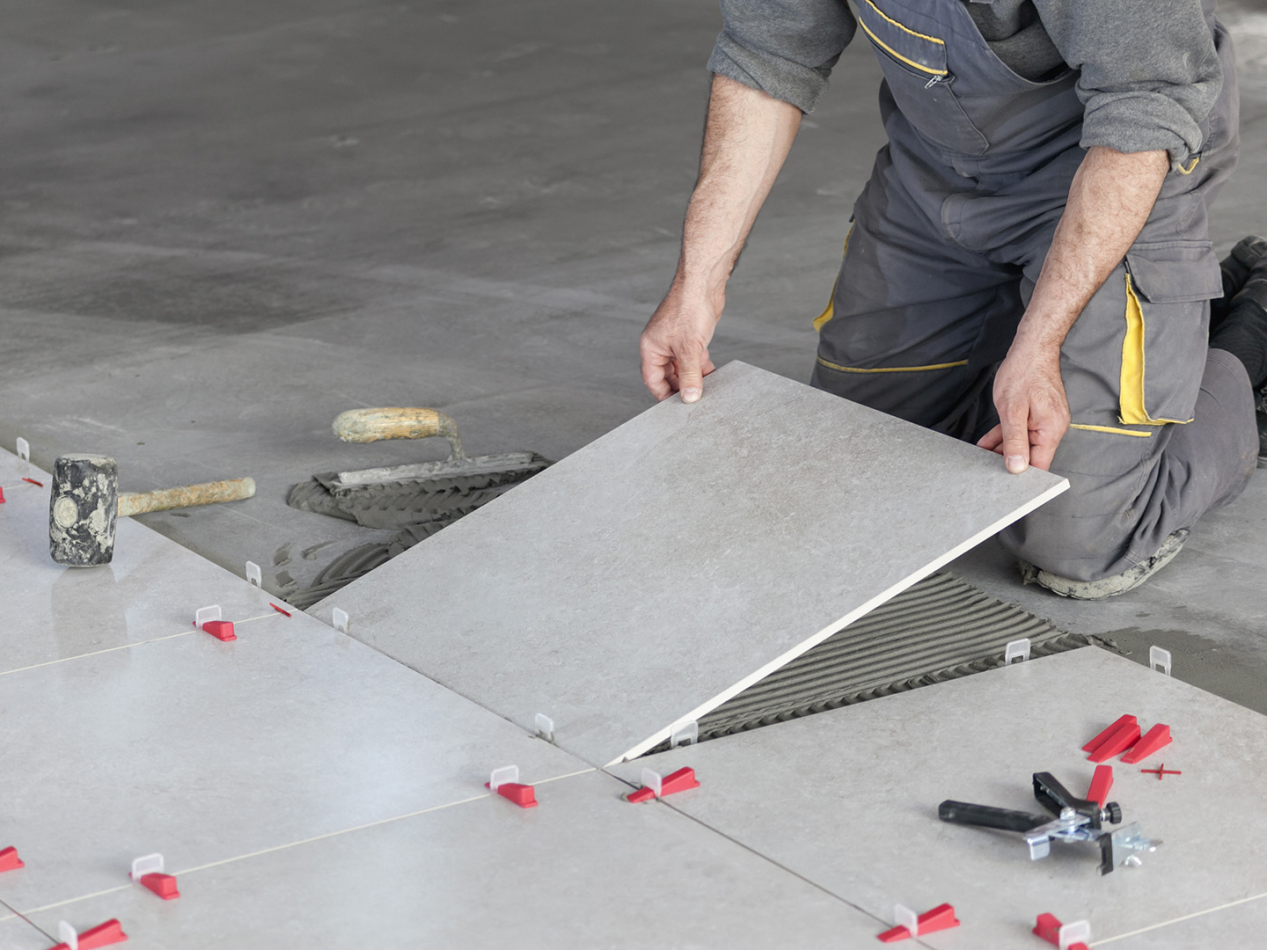
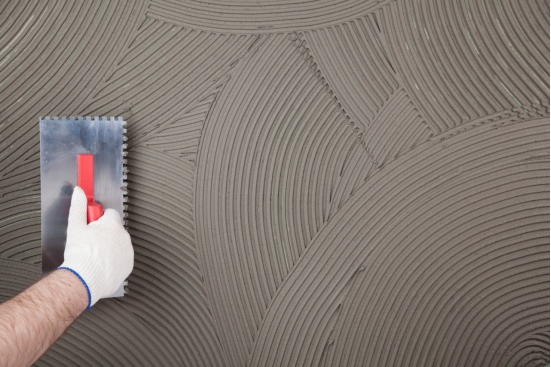
Contractors, therefore, need mortars that suit their daily job. That is, there must be a compromise between bond strength and open time as well slip on the tile adhesive. There must be smoothness in application and strong surface cohesion for a skim coat process. However, waterproof mortar must have moderate flexibility and high adhesion to its surface against the wet. One general-purpose grade is not the correct balance for every formula. Today, producers evaluate RDP for its specific application. They analyze the test results of the final mortar in depth. Gone are the days of vague statements such as high strength.
This is one of the main reasons that customized redispersible polymer powder is gaining serious interest. Authentic customization= a unique batch matched with objective, quantifiable requirements It is more than just a change in product labling. This is the very logic behind increasing RDP for tile adhesive. The selected grade has to work well in the context of an entire recipe. It also has to be exactly the same as how installers put it in on site.
Better control from batch to batch
Dry-mix plants depend on a continuous flow in all aspects of mixing, packing and application. Let me explain: A very small change in powder properties can lead to problems. Mortars will feel and perform differently if they change in cement, sand grading or water amounts. As a result, production controls and traceability are closely monitored by buyers. They demand strictness in sample-to-order correlation and proper technical assistance. Today the trend is a reliable, repeatable performance within their formula. Buyers do not want a sales brochure with lovely numbers in them.
Technology trends inside RDP production and formulation
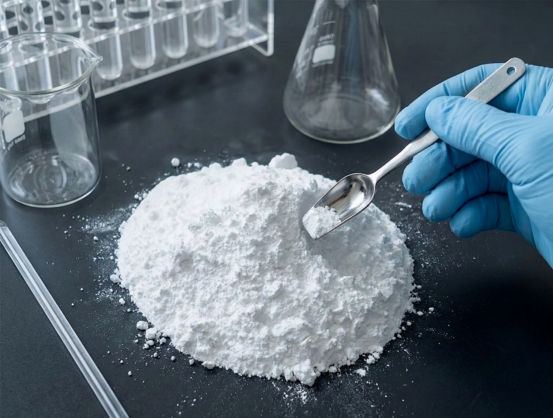
Technology is dominant at two levels. It alters the way powder is manufactured by plants. Second, it influences the behavior of powder in an entire mortar system. The polymer is more consistent, the spray drying process gives a uniform colour and addition of factory automation ensures consistency in finished material. Formulation work simultaneously reveals whether that material is suitable for a given binder and function. The end is unadorned for mortar makers. They seek information on the manner in which these updates give rise to consistency of batches and facilitates ease at work site.
Application-led powder selection
RDP is not one basic chemical with a straightforward action. The polymer type and powder design alters the balance between adhesion, flexibility as well as workability. When mixing in used, it disperses and breaks up the powder. With the mortor curing, polymer particles form a coating film within the mineral mix. It all really depends on the materials surrounding it, and this is what you have based your end result on. These comprise cement or gypsum, aggregate, cellulose ether water and mixing environment.
This fact elucidates the reason why trials have to use actual raw material and normal processes. Open time, slip, and bonding behavior are all tests for a tile adhesive. Test a repair mortar, concentrating on adhesion and crack prevention. To meet hardened strength targets, a self-leveling mix must maintain strong flow (electronics are so hyper to perform their task) When customers search for polycarboxylate polymer powder or china pce for cement grouting customized, they are checking the related admixture requirements. All of these additional ingredients occur different roles. They need to be tested together with the RDP. Aren’t never as well put them to direct replacements for it.
Automation and process consistency
Well, nowadays with modern-day spray-drying technology and guidelines treatment systems are advantageous. They assist manufacturers in controlling massive production effortlessly. That being said, this does not exempt the need for strict quality checks of such automated processes. It is still key when it comes to raw materials, machine settings or packaging and retained samples. For a buyer one of the main advantages is stable and solid supply. They also receive straightforward batch tracking and technical support when a changes with the local formula.
At BING MA YONG PAI®, we have upgraded our spray-drying and automated production tools. We also strongly support application-focused research and development. Our RDP range features many options for different dry-mix applications. You should always make your final choice after running proper formulation trials.
Demand trends across construction applications
RDP usage stays closely linked to the rise of factory-made dry-mix materials. It also grows with the renovation market and a higher demand for durable building finishes. You might find the same powder in several different product groups. However, its main job changes depending on the specific application. Knowing where market demand is heading helps manufacturers plan better. It tells them which properties to test and which technical questions to ask their supplier.
Tile systems, renovation and exterior insulation
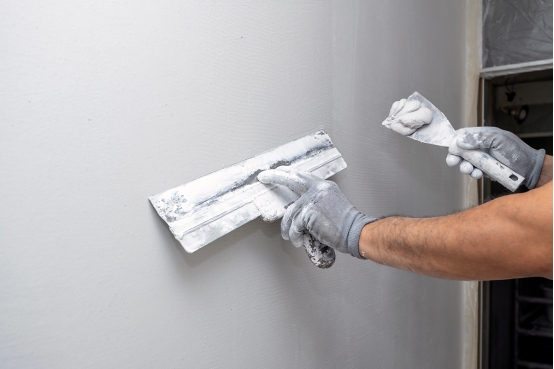
Other common uses include wall putty, skim coats, and waterproof mortars. You will also find RDP in repair mortars and certain self-leveling compounds. The correct RDP type always depends on the specific target formula and the right test method. You should never take a grade meant for tile adhesive and put it straight into a gypsum skim coat or a waterproofing product. You must validate it first.
Material efficiency and lower-impact construction
Construction buyers now care deeply about durable materials. They want to reduce rework and promote responsible building habits. This shift has sparked major interest in sustainable construction additives. However, people must use this term carefully. Low-VOC needs and environmental rules can guide buying choices. Yet, an RDP label by itself does not prove a mortar is entirely green. Buyers must review the relevant product documents. They should also evaluate the whole formulation carefully. A longer service life and fewer repairs offer great value. But, the product must prove its performance under real working conditions first.
This growing focus makes formulation efficiency a practical goal, not just an environmental one. Producers want to hit their application targets without adding useless complexity or extra waste. If you adjust the polymer content, water level, or another admixture, do it based on strict trials. A small change that helps one property might ruin the air content, setting time, cost, or fresh-mortar handling.
Related additives and buying considerations
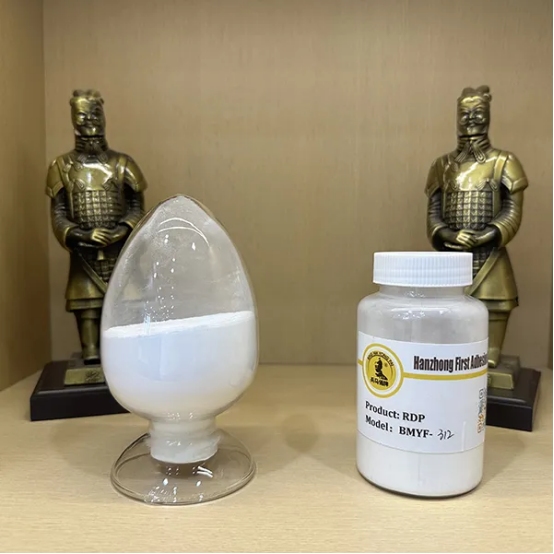
Formulators often pick RDP as just one part of a larger recipe. This recipe usually includes various dry-mix mortar additives. Other additives will alter water retention, flow, air release, or setting time. Therefore, you must test their compatibility together. Having clear specifications and a good representative sample will save you a lot of time. A chat with your supplier works best when you start by explaining the mortar’s main job and your current problem.
For flowable cement systems, pce for cement grouting might be a smart choice. Buyers who compare pce for cement grouting manufacturers or polycarboxylate superplasticizer powder suppliers need to share specific details. They should mention the binder type, target flow, and daily mixing conditions. BING MA YONG PAI® also provides a reliable PCE range for various construction formulations.
Cellulose ethers like HPMC or hydroxyethyl cellulose (HEC) change water retention, viscosity, and general workability. Online search queries sometimes use the incomplete term hydroxyethy or the exact phrase buy hydroxyethylcellulose. Buyers must always verify the exact chemistry and product grade before placing an order.
For better foam control, you might look at a cement mortar organic silicon defoamer. You should ask cement mortar defoamer wholesalers about product compatibility and proper usage rates. Please check our defoamer and HPMC categories for more details. Gypsum formulas often require a retarder to manage the setting time. BING MA YONG PAI® supplies a high-quality gypsum retarder.
Before you ask a supplier for a recommendation, write a short brief that covers:
- The specific application and binder type. State clearly if the mortar is cement-based or gypsum-based.
- Your current formula, the main raw materials, and your exact mixing process.
- The most important properties you need and the exact test methods you use to check them.
- Any harsh site conditions or daily production problems that the new grade must fix.
Then, run the same formula on a small subset of candidates. Record the water demand and painting steps, natural behavior and important hardened traits. Check that positive lab results hold in a full production lot before you change your usual supply. BING MA YONG PAI® provides formulation and testing collaboration with our customers. This avoids all additive selections being related to a simple, generic guess instead of a real-world application.
Conclusion
The aspect has been changing in the marketplace for redispersible polymer powder. Now mortars that are highly niche have an edge over the market. Batch consistency and factory automation are now at the forefront of what buyers pay attention to. They are also keen on building methods that have durability and low impact. These market trends spell out a very pragmatic roadmap for manufacturers. First, specify the precise role of mortar. The next step is to choose an RDP that provides the balance between adhesion, flexibility and workability you need. Last but not least: Validate with the actual binder and all other additives, through extensive testing. No market trend report or basic supplier data sheet will ever replace actual tests in your own formula. And buyers with clear goals, raw-material details and proper test methods will make far better decisions. This avoids unnecessary re-formulation jobs. Dry-mix products will need to succeed not just by meeting the actual building and renovation needs of diverse applications; A reliable application fit is going to be as important (if it isn’t already) in dry-mixes than even the powder itself.
FAQs
Q: What is driving demand for redispersible polymer powder?
A: Demand grows because people use more dry-mix mortars today. They also need reliable adhesion, strong flexibility, and smooth workability across many different tasks.
Q: Can one RDP grade suit every mortar?
A: No. You must select and test a specific grade based on the binder, application, extra additives, and your required performance levels.
Q: How should buyers compare RDP suppliers?
A: You should compare their application advice, batch controls, and material traceability. Also, look at their technical support and the actual results from your own mortar trials.