Can a redispersible polymer powder from China manufacturer provide REACH, carbon footprint, and low-VOC documents for Europe?
Yes, a redispersible polymer powder China manufacturer is able to supply the necessary paperwork for clients in Europe. However, REACH evidence, carbon footprint data, and low-VOC reports address distinct issues. These items are not simply variations of one single certificate. A purchaser must first pinpoint the specific RDP grade. They also need to clarify the yearly amount, the final application, the target region, and the testing approach. After that, the provided documents will properly align with both the product and the overall supply chain.
Purchasers in Europe now expect more than just a standard TDS and SDS. They require solid mortar performance. Furthermore, they want clear details regarding chemical compliance, embodied carbon, indoor air emissions, and material traceability. The most effective approach is to examine the paperwork carefully. Next, buyers should test the powder within their actual formula. Finally, they ought to inspect the production facility before committing to regular orders.
What European Buyers Actually Need from an RDP Document Pack
A thorough document package must address regulatory concerns. It should also assist the technical staff in evaluating the powder. The specific contents will differ depending on the region. Still, three primary document categories show up frequently. Each category requires a clear scope, an exact date, proper product identification, and reliable supporting data.
REACH Evidence Depends on the Legal Role and Composition
According to the REACH registration guidance, an importer has to understand exactly which substances are entering the market. They must also know the exact quantities and whose registration covers them. Polymers by themselves might be free from registration requirements. However, the monomers and other materials used to manufacture them might still carry legal duties. For this reason, a general “REACH certificate” is never sufficient on its own.
A practical REACH dossier might contain an SDS and pertinent registration details. It can also feature an Only Representative declaration if that applies. Furthermore, it should provide substance declarations and a guarantee regarding restricted or highly concerning materials. The product name, the manufacturer, the specific grade, and the importer pathway must be consistent across all these papers. If the yearly amount or the chemical makeup shifts, the compliance status will likely require a fresh review.
Carbon Footprint Files Need a Stated Calculation Boundary
RDP carbon footprint records can vary from a basic supplier estimate to a comprehensive life-cycle analysis. Purchasers need to verify the inclusion of raw materials, power usage, packaging, and shipping. They should also look at the data year, the allocation technique, the baseline unit, and the current verification status.
This topic is becoming much more important. The updated Construction Products Regulation is integrating environmental and life-cycle details into standard declarations. Not every RDP item utilizes the exact same reporting structure. Nevertheless, mortar makers will increasingly demand highly accurate input data.
Low-VOC Proof Must Match the Finished Application
A low-VOC redispersible polymer powder document can aid a customer’s evaluation. However, it does not guarantee that the final tile adhesive, skim coat, or flooring mortar will satisfy every single indoor-air standard. The completed dry mix also includes cement or gypsum, various fillers, cellulose ether, defoamer, preservatives, and extra additives. The packaging type, the water ratio, the curing process, and the testing environment can all alter the final outcomes.
Therefore, purchasers must separate VOC content from actual VOC emissions. They also need to verify the specific test chamber procedure, the sample preparation steps, the minimum reporting limit, and the exact product grade. An up-to-date report linked to the delivered batch group is much more valuable than a broad environmental claim.
How RDP Material Design Supports European Mortar Applications
Redispersible polymer powder is typically created by spray drying a liquid polymer dispersion. When users mix water into the dry compound, the powder disperses once again. While the mixture dries, the polymer particles build a continuous film throughout the mineral matrix. This specific film can enhance adhesion, cohesion, flexibility, and crack resistance. It also improves abrasion resistance and moisture-related behavior. Of course, the final balance relies heavily on the specific polymer chemistry and the entire mixture recipe.
At BING MA YONG PAI®, we produce various RDP grades for cement-, lime-, and gypsum-based mixtures. Our redispersible polymer powder range features rigid, semi-flexible, flexible, and highly flexible varieties. We evaluate them using the client’s specific binder, sand, water ratio, and extra additives. For certain items, we can supply existing REACH and low-VOC documentation. Meanwhile, carbon-footprint details must be specified according to the exact grade and the chosen calculation boundary.
The primary product categories include:
- Rigid RDP grades: Useful when cohesion, solid surface strength, and limited deformation are critical factors.
- Flexible RDP grades: Selected for better movement tolerance, enhanced crack resistance, and strict bonding environments.
- Hydrophobic or water-resistant grades: Applied when lower water absorption and long-term wet durability are the main goals.
- Application-adjusted grades: Formulated specifically for tile adhesive, waterproof mortar, ETICS, repair mortar, skim coat, self-leveling material, or various gypsum systems.
The benefit is not merely adding “more polymer.” An appropriate grade can achieve the desired goal at a consistent dosage. Adding too much material might negatively alter the rheology, air content, drying time, overall cost, or early strength. Because of this, lab trials must compare different dosages and carefully document both the fresh and the hardened characteristics.
Where European Demand Is Moving
The European construction market relies heavily on building renovation and energy-saving structures today. Faster installation times and fewer repairs also drive this sector. Additionally, buyers demand highly transparent environmental records. These trends create much stricter mortar specifications. Because of this, practical application data becomes far more valuable than standard marketing claims. For example, the exact same RDP grade performs quite differently across various products. It acts one way in a flexible tile adhesive. It behaves another way in a thin skim coat or a heavy-duty cementitious repair compound.
Tile Adhesives and Large-Format Installation
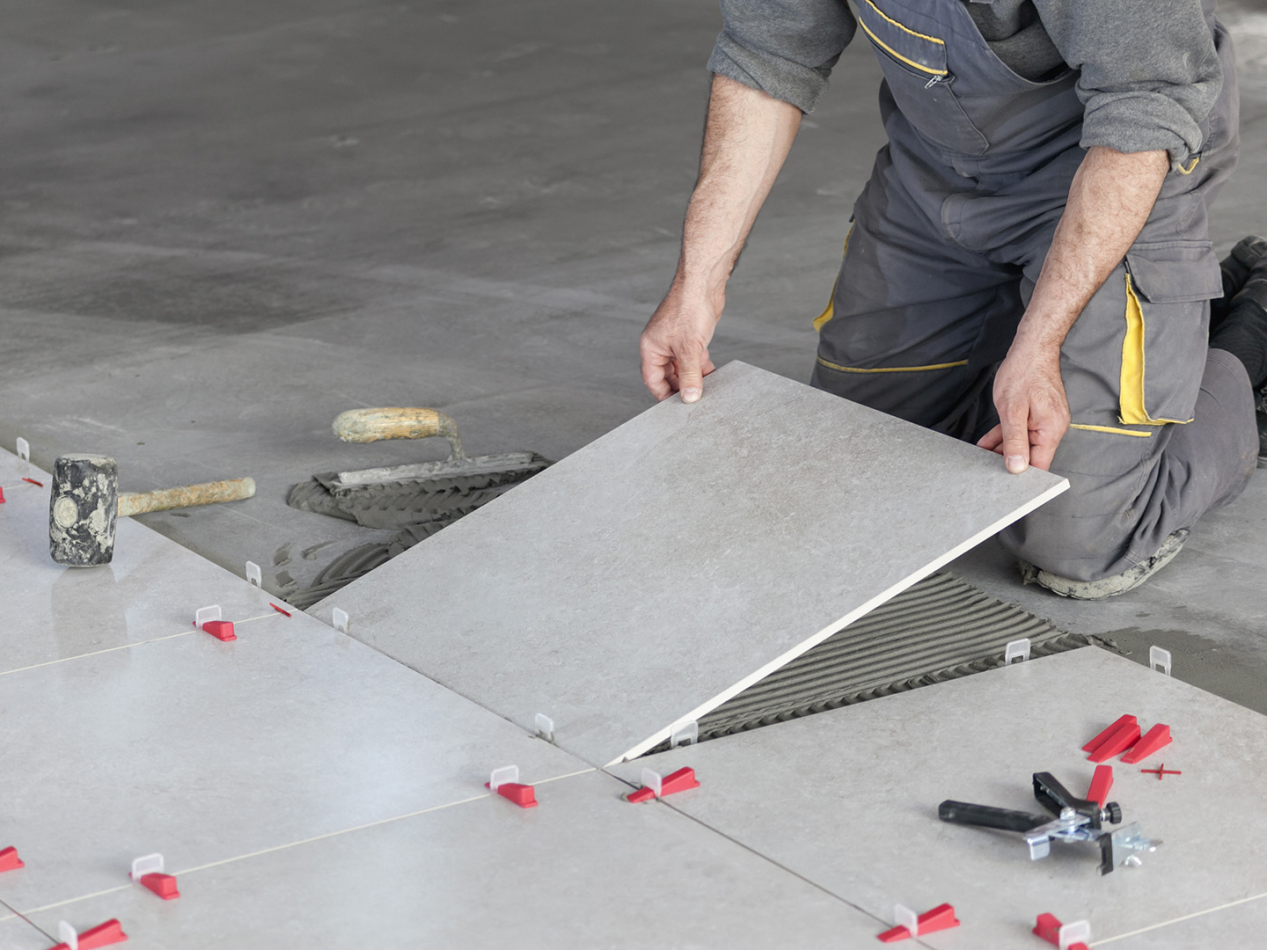
Tile installation systems remain a huge RDP market. Modern projects use bigger tiles and non-porous surfaces. They also involve underfloor heating and varied substrates. These factors increase the demand for reliable adhesion and adequate open time. Builders also need good slip resistance and proper deformation capability. RDP works together with cellulose ether and other key additives. Together, they improve the application feel and the final cured strength. Buyers need to evaluate the entire formula. They should test it during proper conditioning and water-soaking cycles. Simply checking the dry bond strength is not enough.
Renovation, ETICS, and Repair Mortars
The renovation sector continues to grow. This growth boosts the need for polymer-modified base coats and bonding mortars. It also drives demand for wall renders and concrete repair materials. Older walls often contain a mix of mineral bases and previous coatings. They may also have highly porous sections and heavily weathered zones. RDP can greatly improve adhesion in these areas. It also helps prevent cracks. Meanwhile, a hydrophobic formulation can boost long-term durability.
The EU’s Digital Product Passport framework is moving material data toward digital, machine-readable formats. This change promotes better batch tracking and stricter document management. It also provides highly transparent environmental statistics.
Self-Leveling, Grouting, and Industrial Dry Mixes
Flowable mortars need a very specific performance balance. RDP can boost adhesion and increase surface toughness. At the same time, PCE manages the water requirement and controls the overall fluidity. Buyers often search online for terms like pce for cement grouting or customized polycarboxylate polymer powder. They also look up pce for cement grouting manufacturers and china pce for cement grouting customized. These searches usually point to a specific formulation challenge. They rarely indicate a simple, single-item purchase.
Our PCE powder series works perfectly for grout and self-leveling mortar. It is also ideal for repair mortar and various gypsum tasks. Users often evaluate different polycarboxylate superplasticizer powder suppliers. During this process, they should test flow retention, air content, and setting time. They must also check mixture segregation and final strength at the same time. Having excellent initial flow is not enough. The product will fail if air bubbles increase or if the fluidity drops rapidly.
How RDP Works with Other Dry-Mix Additives
The overall mortar quality comes from the entire additive combination. RDP builds the internal polymer network. On the other hand, other ingredients handle water retention and paste viscosity. They also control foam generation, setting speed, and material flow. You must run compatibility tests whenever the base raw materials change. The same rule applies if the mixing environments change.
Cellulose ethers directly affect water retention and mixture viscosity. They also influence the general application feel. A client searching for hydroxyethy might actually want hydroxyethyl cellulose. However, the phrase buy hydroxyethylcellulose is too broad for a precise technical purchase. The supplier needs to know the required viscosity range and the specific substitution type. They also must understand the moisture limit and the planned mortar type. HPMC works well in many cement and gypsum blends. Even so, you must test the specific grade alongside your chosen RDP.
Foam management needs just as much attention. A cement mortar organic silicon defoamer can easily remove trapped air. However, adding too much can harm the workability. It can also ruin the final surface finish. Clients often research cement mortar defoamer wholesalers. These buyers must evaluate air release speed and mixture density. They should also check for surface pinholes, material strength, and overall compatibility. Our defoamer products are made specifically for thorough testing inside the complete mortar formulation.
What Testing and a Factory Visit Should Confirm
Paperwork starts the initial conversation. However, the final purchasing decisions are usually dictated by physical test results and direct factory evidence. You need to experiment a formal sample within the customer exactly formula. If lab results are favorable, a pilot production run would then take place. Second you need a factory tour to validate how the product is being made. This trip permits that type of day by day manufacturing to repeatedly create a ideal consequence.
Make sure to verify these specific details:
- Ensure the sample code, TDS, SDS, and COA match perfectly. The compliance records and the actual production grade must align as well.
- Evaluate the open time, slip resistance, adhesion strength, and flexural traits. You should also check water absorption and flow rate. Finally, review the air content and setting time based on your specific application needs.
- Examine the raw-material inspections and the spray-drying settings. You should also review the active in-process evaluations. Moreover, look closely at the retained samples and the complete batch traceability system.
- Validate the packaging quality and the moisture barriers. Check the storage conditions to ensure they stay below the recommended temperature limit. Finally, inspect the shipment labeling.
- Test the performance again if you change any key ingredients. This includes the cement, gypsum, sand, cellulose ether, PCE, or defoamer.
These steps give importers solid proof for official audits. They also support internal technical files and mandatory environmental reports.
Conclusion
A redispersible polymer powder China supplier can provide truthfully, valid REACH and low VOC documents for the EU market; as well a carbon-footprint documentation. Nonetheless, these three different files served completely separate purposes. REACH primarily targets certain chemical substances and prerequisites of importers. They need a boundary to descriptions of carbon calculations and numbers that are as transparent as they come ◻. They must disclose the evaluations grade, testing method and limits of usage on low-VOC certificates. A dry powder has to still do its job flawlessly in tile adhesive, ETICS, repair mortar or self leveling material and grout as well gypsum mixtures at the same time. By far the best procurement strategy is one that combines a good document review with real world formulation testing. These also include pilot production runs and an in-person factory visit. While European building practices have rapidly adopted the use of sustainable materials and digital product tracking. As a result, data tracking and mortar quality will often be analysed together.
FAQs
Q: Can a redispersible polymer powder China manufacturer provide REACH documents?
A: Yes. The provided dossier must accurately reflect the exact grade, the specific importer pathway, the involved substances, and the total yearly volume.
Q: Is RDP normally supplied in 25 kg bags?
A: Yes. The standard packaging format is 25 kg per individual bag. Additionally, larger jumbo bags are accessible upon special request.
Q: Does low-VOC RDP make the finished mortar low-VOC?
A: Not automatically. The entire mortar recipe and the specific emission testing procedure will ultimately dictate the final outcome.