Why Can Redispersible Polymer Powder RDP Prices Vary Between Application Grades and Order Sizes?
You may receive two RDP quotes that differ greatly. This happens even when both items look like identical white powders in similar bags. Suppliers do not base redispersible polymer powder pricing solely on weight. Factors such as the polymer structure and the intended application play a huge role. Quality testing, packaging details, and the overall order volume will also affect the final cost.
Mortar manufacturers and vendors deal with a larger challenge than simply hunting for the cheapest rate per kilogram. Purchasers must select the specific grade that delivers the desired mortar performance. They have to achieve this while maintaining a reasonable total formula expense. Taking this approach is the smartest way to evaluate redispersible polymer powder RDP prices. It prevents you from overlooking essential product quality. Plus, it prevents costly formula adjustments later on.
What Material Features Create Different RDP Price Levels?
Factories produce RDP through the spray-drying of a polymer emulsion. Technicians mix this fluid with a protective colloid. They include other essential components for powder creation as well. Once you add water, these tiny particles disperse again. The mortar cures gradually. Throughout this curing period, the particles build a durable polymer film inside the mineral matrix. Altering this core structure modifies several characteristics. It affects the adhesion strength and the flexibility. It also influences water resistance, ease of use, impact tolerance, and crack prevention.
Polymer Chemistry and Flexibility
Rigid, semi-flexible, and highly flexible grades serve specific purposes. A rigid vinyl acetate-ethylene variant performs exceptionally well in standard tile adhesive. It suits masonry mortar perfectly too. You can apply it in a robust base coat requiring strong adhesion and impact resistance. Conversely, a more flexible variant features a lower glass transition temperature. This flexible option is highly effective for elastic tile applications. It assists in crack-resistant mixtures and exterior wall putty. It serves well for thick waterproofing layers too.
The initial emulsion blend and the monomer proportions directly influence manufacturing expenses. You cannot simply put a new tag on a standard grade and label it as flexible or water-resistant. Specific mortars must maintain strong adhesion following heavy rain or moisture exposure. They might need to flex when structures move. In some cases, they must prevent surface cracking. These demanding requirements call for specialized chemical formulations. They demand rigorous quality control at the factory as well.
Hydrophobicity, Redispersion, and Powder Stability
A hydrophobic RDP designed for waterproof mortar must prevent water absorption. At the same time, it needs to maintain high adhesion and bending capabilities. Other factors are equally important. These factors include the flowability of the powder and how quickly it disperses in water. Solid content and ash levels are vital as well. Particle size and the minimum film-forming temperature also have a significant impact.
All these physical characteristics are linked together. Altering one aspect will likely change another outcome. Because of this connection, a specialized grade demands extensive formulation work. It needs rigorous laboratory testing. This situation explains why purchasers often get confused. Evaluating costs solely by examining the powder is an error. Relying only on solid content or a single technical figure will guide you in the wrong direction.
How Application Grades Change the Value of RDP
You should view an application grade as a precise mix of properties. It is not just a basic list of qualities. A more expensive type is not necessarily ideal for every single mortar mix. It might provide greater flexibility. It could resist water more effectively. It may bond to tough surfaces with greater strength. However, it might not provide any added benefit for a standard indoor skim coat. The actual value is always seen in the final, cured product.
Tile Adhesives and Grouts
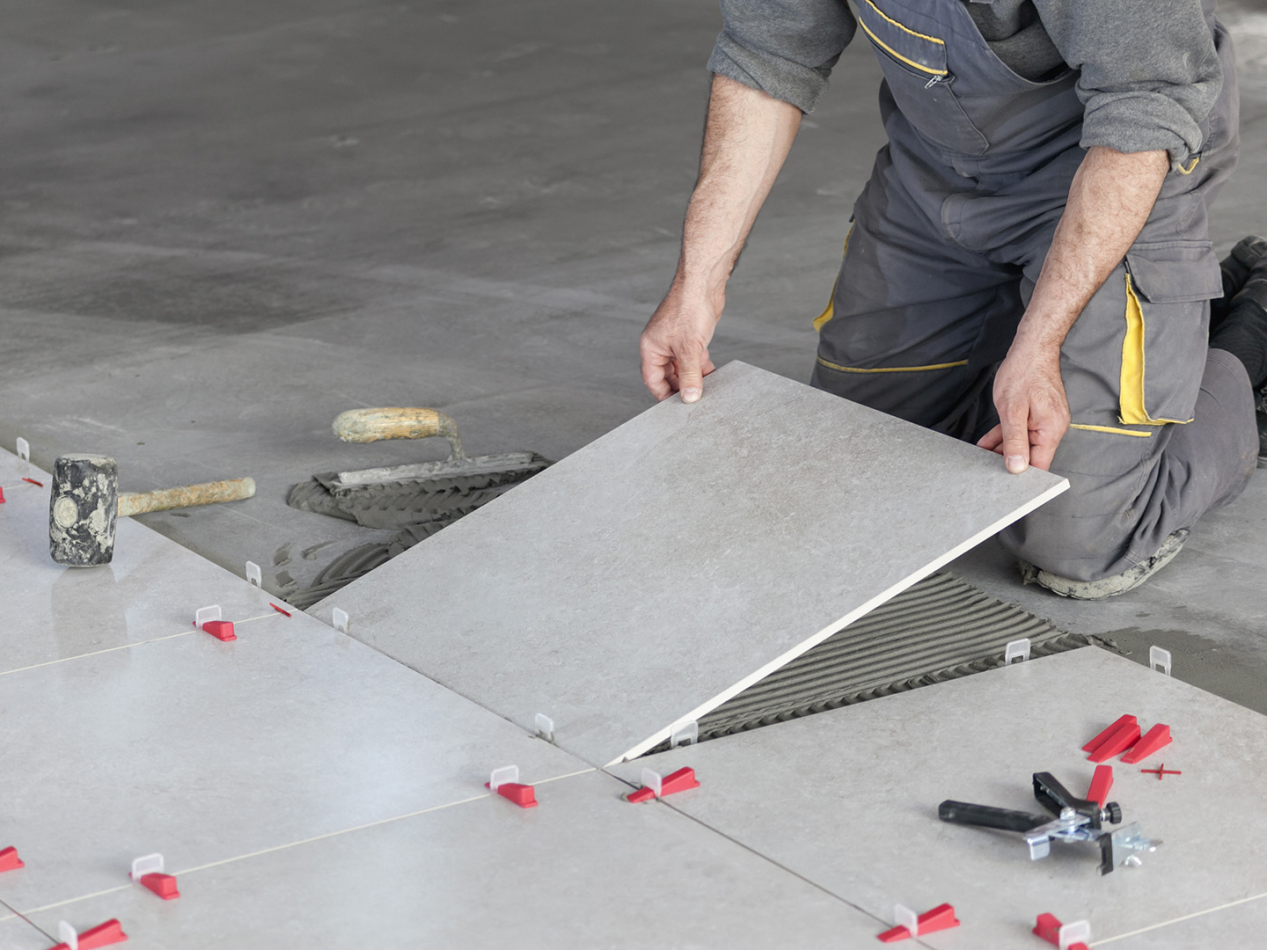
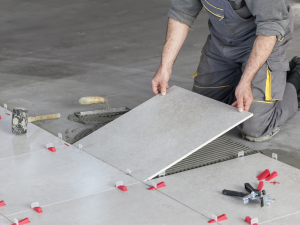
RDP in tile adhesive boosts tensile strength and extends open time. It raises the bending capacity and makes troweling feel easier. Standard products generally utilize an economical grade. On the other hand, premium categories require additional flexibility and strength. Exterior projects frequently demand a highly flexible polymer. Large tiles and underfloor heating systems also need this adaptable type. Non-porous surfaces have this exact requirement.
The initial cost per kilogram might appear elevated. However, you need to verify the dosage rate alongside actual testing results. A high-quality grade at the correct addition amount frequently costs less per ton of prepared mortar. This reality outweighs purchasing a less expensive powder that requires a massive dosage. A cheaper option might also fail critical evaluations. These include wet-aging and heat-aging tests. It could also fail slip resistance or open-time assessments.
Waterproofing, ETICS, Repair, and Self-Leveling Mortars
Waterproof mortars and anti-crack coatings depend greatly on flexibility. They also require strong adhesion in wet environments. ETICS mortars need firm bonding, easy workability, and superior crack resistance. Repair mortars must bond securely to existing concrete. Simultaneously, they have to withstand physical strain along the repair borders.
Self-leveling compounds need even flow, consistent air content, rapid strength development, and a perfect surface appearance. RDP functions directly alongside PCE, defoamers, cellulose ethers, and setting control agents. As a result, selecting the most inexpensive polymer seldom results in the lowest overall system cost.
At BING MA YONG PAI®, we supply a complete RDP product range for essential dry-mix uses. Our rigid, flexible, and water-repellent grades act as distinct formulating tools. They are never just one basic powder hidden behind multiple labels. We evaluate potential options using the client’s specific cement, sand, extra additives, water ratio, and preferred mixing technique. Our price quote strictly connects to proven outcomes. You can verify these results in your laboratory and validate them during a real factory or job-site run.
Why Order Size Changes the Price per Kilogram
Every single manufacturing order involves unavoidable fixed tasks. These include schedule planning, machine preparation, quality inspections, packing setup, document logging, pallet wrapping, and truck loading. When factories spread these steady expenses across numerous tons, the cost per kilogram drops significantly. Conversely, tiny orders must absorb a much heavier share of these fees.
- Trial and sample quantities: These are great for initial lab screening. However, the packing and handling expenses remain quite high per kilogram.
- Small commercial orders: These purchases might force partial factory runs. They can also result in mixed pallets or less cost-effective shipping methods.
- Full production batches: These volumes ensure better machine usage. They require fewer equipment changeovers, which helps maintain highly stable pricing.
- Container-scale orders: At this level, transport and loading fees get divided across a massive amount of material.
- Customized packaging: Custom printed bags, unique pallet stacking rules, or private branding will introduce extra setup fees and minimum volume limits.
Standard packing usually involves 25 kg per bag. Meanwhile, jumbo bags often fit massive manufacturing setups much better. Standard inventory grades remain much easier to plan out than unique custom blends requiring special bags. Because of this, the exact same RDP type might get distinctly different price quotes at 1 ton, 10 tons, or full container volumes.
Market Trends Are Making Grade Testing More Important
Current building concerns emphasize structural rehabilitation, energy newtage façades, input sparing materials in the wake of a harsh environment confronting; low discharges supplies and material proficiency. The data is collected up to October 2023 and these global trends really accelerate the demand for ETICS mortars, concrete repair items, waterproofing systems & durable dry mixes. They raise the minimum standards for reliable, replicable lab tests. With initiated polymer content being laid out, the very broad — and all too vague — claim regarding a “High Polymer Content” is no longer enough to appease savvy buyers.
Cement and mortar manufacturers are investigating supplementary cementitious materials. They additionally investigate alternative methods to produce with low emissions. With new approach, technically the primary binder can substantially alter water requirements and early strength gains as well, through various setting times caused by additive reactions. The constant change meaning RDP compliance testing loads harshly together with need of newer. This constant evolution creates a necessity for brand-new RDP compatibility testing from scratch.
Very easy to spot impact on the business. Best application grades supported with good data in new binder systems tend to go for the best prices. This is the result of a drastic cut on trial periods and ban ruined factory batches. Even in the case of renovation sectors, versatile mortars which can bond effectively over a wide range of existing surfaces are the preferred option. Also, large format tiles and ultra-thin layers leave no room for poor wetting, short open times or low bonding strength.
Related Additives Also Shape the Real Formula Cost
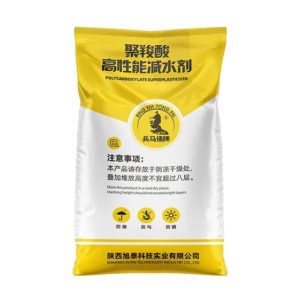
RDP almost never functions completely alone. A smart purchasing department must evaluate the entire recipe expense alongside the final lab report. Search queries like pce for cement grouting, customized polycarboxylate polymer powder, pce for cement grouting manufacturers, polycarboxylate superplasticizer powder suppliers, and china pce for cement grouting customized generally indicate a strong need for better flow and water reduction. They do not point to polymer film creation. Our PCE range effectively handles numerous cement-based and gypsum-based fluid applications.
Cellulose ethers directly control water retention, fluid thickness, and the general troweling feel. You must confirm the precise chemical type and viscosity rating before starting any lab tests. Please review our HPMC products and other construction additives to discover related recipe choices.
Managing trapped air holds equal importance in fluid mortars and grouts. Shoppers comparing cement mortar defoamer wholesalers or looking for a reliable cement mortar organic silicon defoamer must evaluate foam elimination, surface pinholes, flowability, and final strength all at once. Our defoamer category perfectly supports this specific part of the mixture. Gypsum-based setups might also demand a strictly controlled working window. This explains why adding a properly matched gypsum retarder will heavily influence both the total expense and the daily production schedule.
A Practical Way to Compare RDP Quotations
In daily trade, two major steps hold the highest value. First, you need to pass the required technical trials. After that, you must check if the manufacturing facility can steadily repeat those exact outcomes. Always compare each individual price offer directly against the same application needs.
- The specific target mortar and the needed performance category
- The particular local cement or gypsum kind, sand sizes, and added chemical ingredients
- The exact RDP amount required per ton of completely blended mortar
- The required dry, wet, heat, freeze-thaw, open-time, slip, or flexural evaluations
- The overall order weight, favored bag design, pallet arrangement technique, and settled shipping conditions
- Whether the proposed grade is a regular product, an adjusted version, or a special mixture created for a single formula
You need to figure out the real expense per ton of completed mortar. Do not simply focus on the basic price per ton of RDP. A direct factory tour can quickly verify correct lab routines, kept sample monitoring, and ingredient tracking. This visit also shows if the first trial sample genuinely aligns with the normal daily output.
Conclusion
Redispersible polymer powder RDP costs change frequently. This occurs because buyers do not purchase the same performance standards under the same trading terms. Polymer makeup, bending strength, water-resistant features, powder storage life, usage details, and batch uniformity all decide the ultimate product price. Tile adhesives, waterproof layers, ETICS systems, repair blends, wall putties, and self-leveling floors put very different pressures on the polymer film. As a result, a single general type seldom works as the most cost-effective option. Moreover, the overall order volume directly impacts how plants share manufacturing, testing, packaging, stacking, and freight costs across each kilogram. The most dependable matching approach stays completely focused on the end use. You have to evaluate the particular grade within the real recipe. Next, you verify its working behavior during an actual plant or construction-site test. Finally, you compute the genuine additive cost per ton of finished mortar. This hands-on strategy gives buying teams a much sharper view than a simple price sheet ever might.
FAQs
Q: What is a typical RDP packaging size?
A: The normal layout is 25 kg per sack. Large bulk bags stay easily accessible for much bigger volume purchases.
Q: Do bigger purchases decrease redispersible polymer powder RDP rates?
A: Yes, they often do. Fixed plant manufacturing, laboratory checks, sack filling, and freight charges get shared among many more kilograms.
Q: Is the lowest-priced RDP type ideal for tile adhesive?
A: No, it is generally not. You need to closely review the needed amount, bonding power, open time, slip control, and the real expense per 1,000 kg of completely blended mortar.